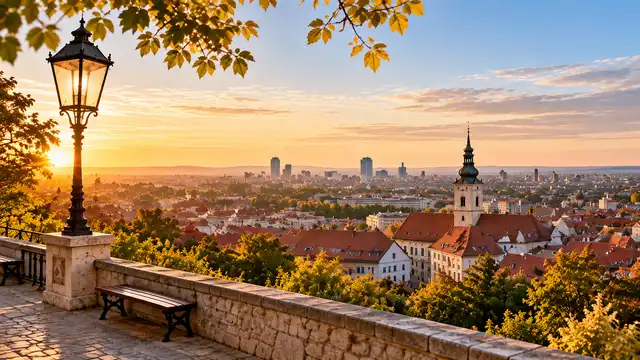
The beginning of autumn has brought a new revival to the real estate market. After the quieter summer months, September has once again sparked the interest of buyers and sellers – this is confirmed by data from the portal Nekretnine.hr, which records an increase in activity and searches in all major urban areas. The most interest, as expected, is recorded in Zagreb, Split, Rijeka, Zadar and Osijek, while the cities on the coast are still particularly attractive due to the balance between price, location and quality of life.
Zagreb and Split – the most sought-after cities for buying apartments
According to the share in total searches on leading ad portals, Zagreb remains the leading city in the demand for apartments. Namely, almost 43% of all searches relate to the capital. Split follows (17%), Rijeka(11%) and Zadar (9%), while Osijek with a share of 8% leads the continental part of Croatia. Pula, which has recorded a constant increase in interest in recent years, took sixth place with 6% of searches. These data clearly show that urban areas with developed infrastructure and good transport connections remain the main magnet for buyers, whether they are looking for a home, an investment or a property for rent.
Apartment prices: the coast leads, Osijek most affordable
Data on average asking prices in September confirm that the growth trend continues. The most sought after is in Split, where the average price per square meter was 5,526 euros, which means that this city still holds the title of the most expensive on the Croatian market. Followed by Zadar (3,808 €/m²), Zagreb (3,800 €/m²), Pula (3,336 €/m²) and Rijeka (3,274 €/m²). Osijek stands out as the most affordable among the larger cities – with an average price of 2,485 euros per square meter, it still attracts buyers who are looking for more space for a smaller amount. Despite the pronounced differences between the coast and the continent, the market is still very active. Larger cities remain the focus of demand, but there is more and more interest in smaller cities and coastal locations that offer a quieter way of life with more affordable prices.
Demand stable despite high prices
Although prices in many cities have reached historically high levels, demand still shows no signs of slowing down. Buyers are still actively searching the market, and the autumn months often bring the most inquiries and sales. This is influenced by the return to routine after vacations, the beginning of a new business and academic year, but also a stable interest in investing in real estate – especially those that can be used both for living and for tourist rental. It is precisely this combination of stability and activity that makes autumn one of the key periods for buying or selling apartments in Croatia.
A market that does not stand still
And while many wonder if the price increase can stop, the market shows the opposite direction. Despite the high amounts in coastal cities, the interest of buyers remains strong, and larger urban areas still lead as centers of demand. This stability despite the challenges shows that the Croatian real estate market retains the attractiveness and confidence of buyers, especially in the segment of quality new buildings and luxury apartments.
Autumn 2025 confirms that the real estate market in Croatia remains exceptionally lively regardless of the price increase. For those who are planning to buy, this period brings a wide selection and increased supply, while it offers sellers an active market and serious buyers ready to invest. If you are thinking about buying, selling or appraising a property, contact Regent Real Estate, and our expert team will help you find the right opportunity, whether you are looking for a luxury apartment in Zagreb, a house on the coast or an investment property in an attractive location.