New Interior Trends: Fewer Forms, More Feeling
After years of minimalism and cold, strictly defined spaces, interior design in 2026 enters a phase of calmer, warmer, and more personal expression.
The focus shifts from aesthetics for the sake of aesthetics to the experience of the space, its functionality, and emotional impact.
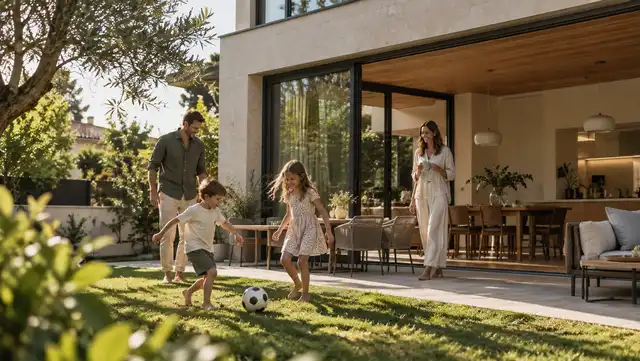
Interiors become more comfortable, softer, and adapted to real life, without losing elegance.
This shift is particularly visible in residential properties purchased for long-term living, but also in luxury projects where clients are increasingly seeking a balance between design and everyday comfort.
Return to Nature Through Materials and Textures
One of the most noticeable trends for 2026 is a strong return to natural materials.
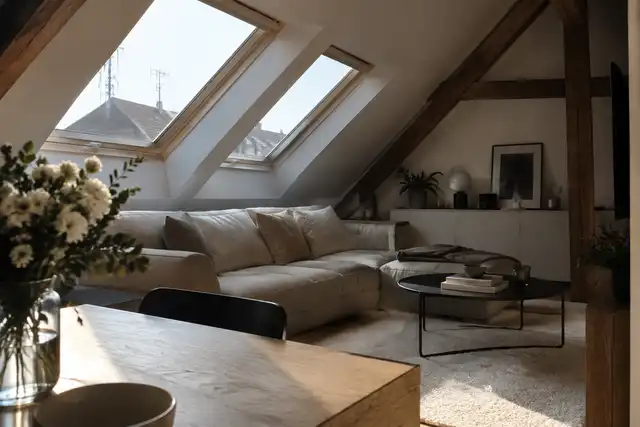
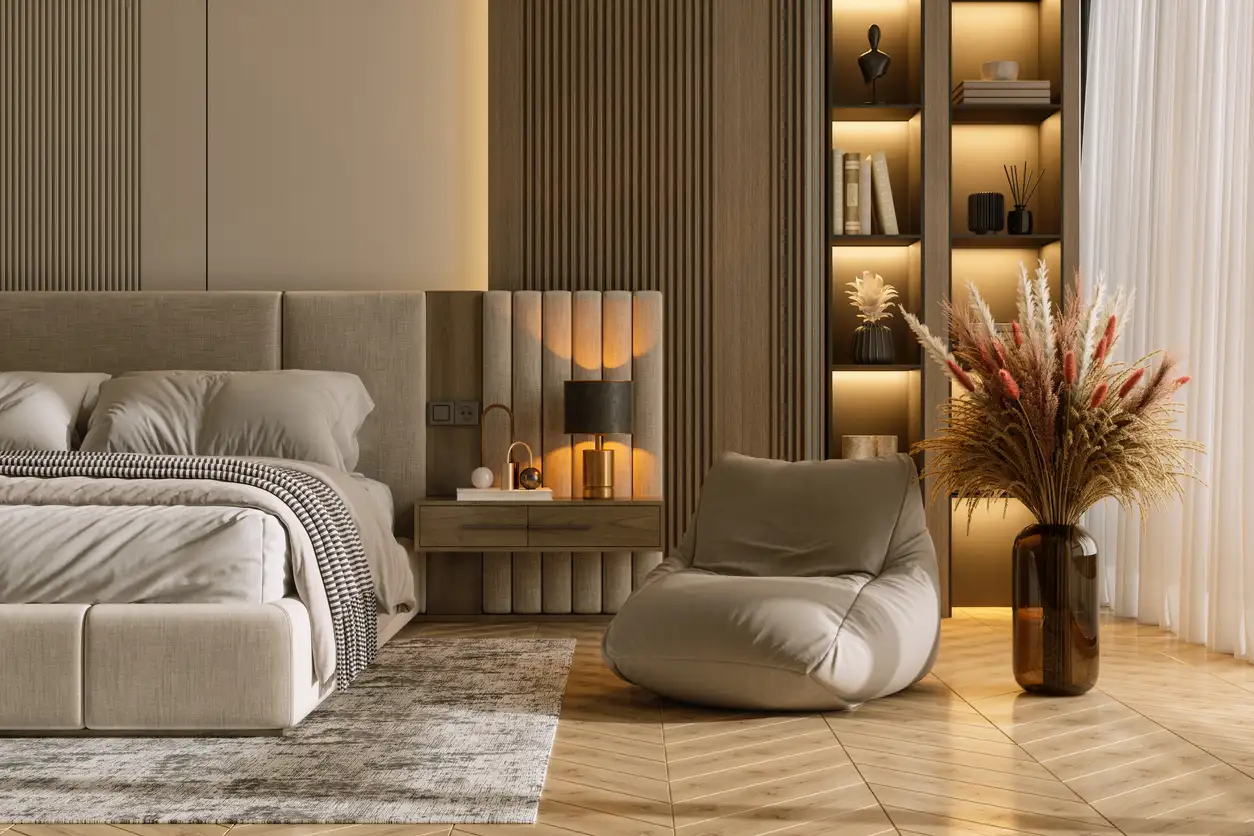
Wood in warm tones, natural stone, limestone coatings, linen, wool, and cotton are once again becoming key elements of the interior.
Instead of high gloss and perfect surfaces, the emphasis is on texture, irregularities, and authenticity.
In new construction, parquet floors with a pronounced structure, kitchen countertops made of stone or ceramics with a natural pattern, and wall coverings that give depth to the space are increasingly chosen.
Such materials not only look timeless, but they also age better, which is also important from an investment perspective.
Colors That Soothe and Create a Sense of Home
The color palette in 2026 moves away from cold gray and sterile white tones.
Instead, warm neutral shades like sand, beige, terracotta, olive green, warm browns, and muted blues come into focus.
Colors are used thoughtfully, often through walls, textiles, or furniture, to make the space more comfortable and visually calmer.
In luxury interiors, color is increasingly used to create an atmosphere, not just as a decorative addition, which gives the space character and a sense of completeness.
Multifunctional Spaces as the New Standard
The way of life has changed, and with it, the way space is used. Interiors in 2026 are more flexible and adapted to different scenarios – working from home, relaxing, socializing, and privacy often take place within the same space.
Open living spaces are still present, but they are increasingly zoned with lighting, furniture, or a change of materials.
Kitchens discreetly blend with the living room, while home offices are designed to easily fit into the rest of the interior without feeling improvised.
Smart Solutions, but Unobtrusively
Technology remains an important part of modern living, but in 2026 it becomes almost invisible.
Smart lighting, heating, cooling, and security systems are integrated into the space so as not to disrupt the aesthetics.
Customers increasingly expect smart home solutions as standard, especially in new construction, but systems that are easy to use and do not dominate the space have an advantage.
Discreet technology increases the value of the property and makes it more attractive to a wider range of buyers.
Design That Makes Sense and Has Long-Term Value
One of the key trends that marks 2026 is a change in the way of thinking.
Instead of fast trends and seasonal solutions, buyers and investors are increasingly thinking long-term.
Interiors that will last, be functional and aesthetically relevant for ten years are sought.
That is why, in quality projects, more and more attention is paid to the basics: a good floor plan, natural light, quality materials, and a neutral, but warm aesthetic that easily adapts to different lifestyles.
Trends That Follow the Way of Life
Interior design trends for 2026 clearly show that luxury is no longer about exaggeration, but about quality, thoughtfulness, and a sense of home.
The space becomes an extension of lifestyle, not just an aesthetic backdrop.
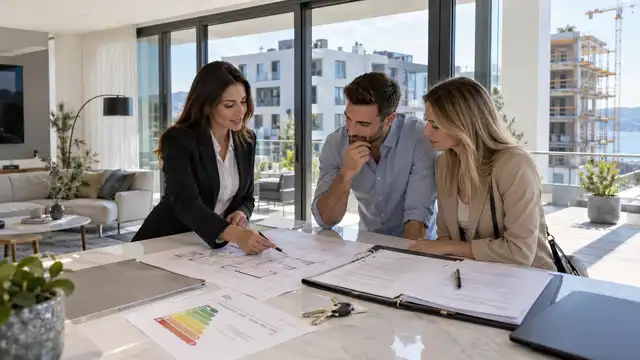
If you are thinking about buying a new building, investing, or decorating a property with the aim of selling or renting, understanding these trends can be a key advantage. Our team will help you find a space that has style, but also long-term value.