Zagreb Real Estate Market Again at Its Peak
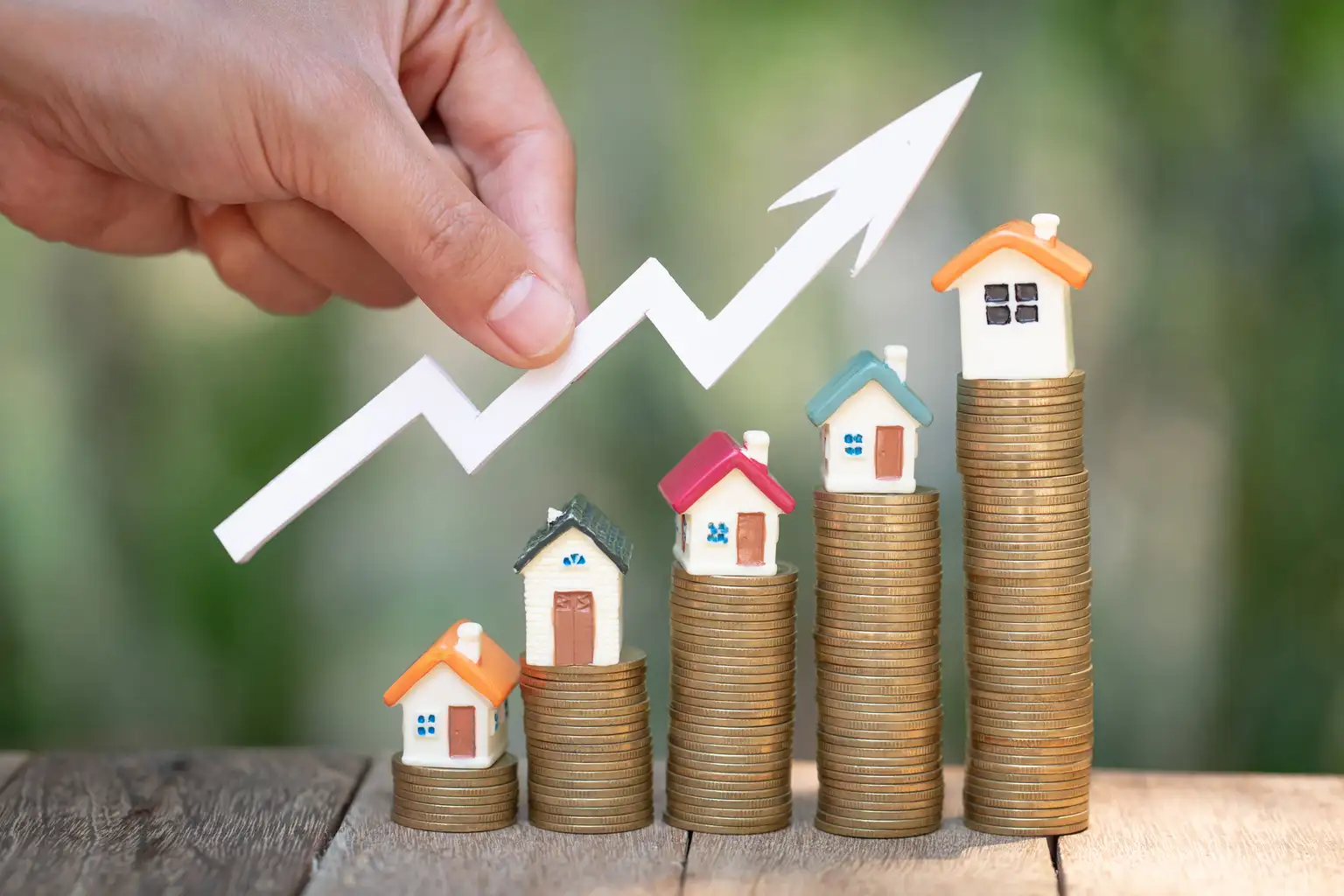
Although the Croatian real estate market is visibly slowing down, one figure stands out: in Zagreb, the prices of new apartments in the first six months of this year increased by an incredible 24%.
This is the largest increase in the past three years, despite the decrease in the number of new constructions and the reduction of overall activity in the market.
This trend comes at a time when the construction sector is still recording a solid volume of work - but most of that growth relates to infrastructure projects and post-earthquake reconstruction, not the construction of new apartments.
Construction of new apartments is slowing down - prices are rising faster
Analytical data show a clear change in dynamics:
2022 → number of completed apartments increased by 26.9%
2023 → growth slowed to 4.3%
2024 → growth almost stopped, only 0.6%
Despite this, the prices of housing squares did not follow this trend.
On the contrary - they accelerated:
2023 → +2.7%
2024 → +11.5%
2025. (first 6 months) → +15.9%, with a peak in Zagreb: +24.1%
In other words, the supply of apartments is stagnating, while prices are rising faster than ever.
Why are prices rising? Key causes are not just construction costs
Although the increase in the price of materials and works has affected the market, this is not the main reason for the price increase.
Three factors have the greatest weight:
1. Limited supply and lack of labor
The lack of qualified workers, but also the departure of construction workers to other EU countries, has limited the capacity for the construction of new projects.
2. Strong demand in Zagreb and the coastal area
Buyers still prefer new, energy-efficient and immediately habitable, while older apartments are becoming less in demand.
The difference in prices between new and used apartments is becoming more pronounced.
3. The effect of inflation and low interest rates on savings
In a period of high inflation, many savers are redirecting capital into real estate in order to preserve the value of their assets.
Where is the most construction? Zagreb still leads
Although the growth of construction is slowing down, Zagreb still has the largest number of new apartments in Croatia:
3,943 apartments built last year
Followed by:
Zadar County – 2,578 apartments
Split-Dalmatia – 2,196 apartments
Istria – 2,004 apartments
More than 50% of all new apartments were built in the coastal area last year, which confirms that demand on the sea is still holding up - although weaker than in previous years.
Growing differences between new and older properties
The market is gradually dividing into two categories:
- New, modernly equipped properties – extremely sought after, especially in Zagreb
- Older apartments – increasingly difficult to keep up with price increases
The price difference between these two segments is expected to continue to increase, because buyers are increasingly choosing energy efficiency, functional floor plans and easier adaptation.
Property tax - the first effects are already visible
From the beginning of the year, a new tax framework for real estate is being applied, and the first effects are already being felt:
- the construction of new apartments is slowing down
- investor demand is more cautious
- some buyers are postponing the decision due to increased ownership costs
The effect of the tax is weaker on the coast because foreign buyers are still showing interest, but a noticeable slowdown is already being recorded in the continental part.
Market slowdown can trigger chain consequences
A smaller number of transactions and weaker construction can also spill over to other sectors of the economy:
- production of construction materials
- wood industry
- glass, ceramics and sanitary ware industry
- design and architectural services
If the trend continues until 2026, there could be a further weakening of construction workers and even fewer new projects.
Conclusion
The 24% increase in apartment prices in Zagreb shows that the metropolis is still the strongest and most resilient market in Croatia.
If you are thinking about buying or selling real estate, it is now crucial to have verified information and a reliable partner.
Regent Real Estate continuously monitors market trends in Zagreb and on the coast and can help you find the best opportunity in a rapidly changing environment.
About the author

Regent Zagreb
Currently popular
Guides /
Termination of a residential lease agreement: when, how, and with what notice period
Lease termination is a common source of misunderstandings, most often because parties rely on an agreement or a single sentence from the contract, rather than on what the law prescribes. The notice period, reasons, and procedure in Croatia are regulated by the Tenancy Law (Narodne novine, no. 91/96, 48/98, 66/98, 22/06, 68/18, 105/20 and 36/24), and ...
Real estate market /
Cost of property in Split for foreign buyers: purchase taxes and annual obligations
For a foreign buyer considering Split, costs related to the property itself are the only part of the budget that can be stated with concrete figures — because they arise from regulations and actual transactions, not from lifestyle. That's why this guide covers property purchase tax, annual property tax, and rental taxation, deliberately setting aside ...
Guides /
Power of Attorney for Selling Real Estate from Abroad: A Guide for the Diaspora
Traveling to Croatia for every step of a real estate sale is not feasible for many in the diaspora — nor is it necessary. Croats and descendants of Croats who inherit or sell property in their homeland can complete the entire transaction through a trusted person in Croatia, with a properly drafted and certified power of attorney. This guide is for ...
Guides /
Life in the Upper Town, Zagreb: what does everyday life look like in the historic core
Life in the Upper Town means living in the historic core of Zagreb: old buildings, narrow and steep streets, a funicular, and peace in the evening, when the tourist flows calm down. This comes with a compromise, as parking is scarce, daily errands require going down to the city center, and renovating buildings in a protected area may require special ...