Summary
Living in Gornji grad means residing in Zagreb's historic core: old buildings, narrow and steep streets, a funicular, and peace in the evenings when tourist flows subside. This comes with a compromise, as parking is scarce, daily errands require descending to the city center, and renovation of buildings in a protected core may require special conservation conditions, permits, and additional time. Gornji grad best suits a buyer who consciously chooses the location and character of the building over practicality, while families with small children and those who need an elevator often find solutions more easily in the flat parts of the city. Before purchasing, check the condition of the building, land registry documentation, and renovation conditions for the specific address.
Key facts
- Gornji grad and the neighboring Kaptol form the historical core of Zagreb, while Donji grad was built later and hosts most of the business life.
- During the day, the neighborhood is touristy, but in the evenings and off-season, it is generally quiet.
- Older buildings predominate, and interventions on the facade, structure, or common parts of the building may require special protection conditions or approval for the work.
- Parking is limited, and daily errands often require going down to the city center.
- For older buildings, especially verify the land registry and cadastral status in relation to the actual situation on site.
- The neighborhood best suits a buyer who prioritizes location and the character of the building over practicality.
Life in the Upper Town means living in the historic core of Zagreb: old buildings, narrow and steep streets, a funicular, and peace in the evening, when the tourist flows calm down. This comes with a compromise, as parking is scarce, daily errands require going down to the city center, and renovating buildings in a protected area may require special protection conditions, approvals, and additional time. The Upper Town best suits a buyer who consciously chooses the location and character of the building over practicality, while families with small children and those who need an elevator often find solutions more easily in the flat parts of the city. Before buying, check the condition of the building, the land registry documentation, and the renovation conditions for the specific address.
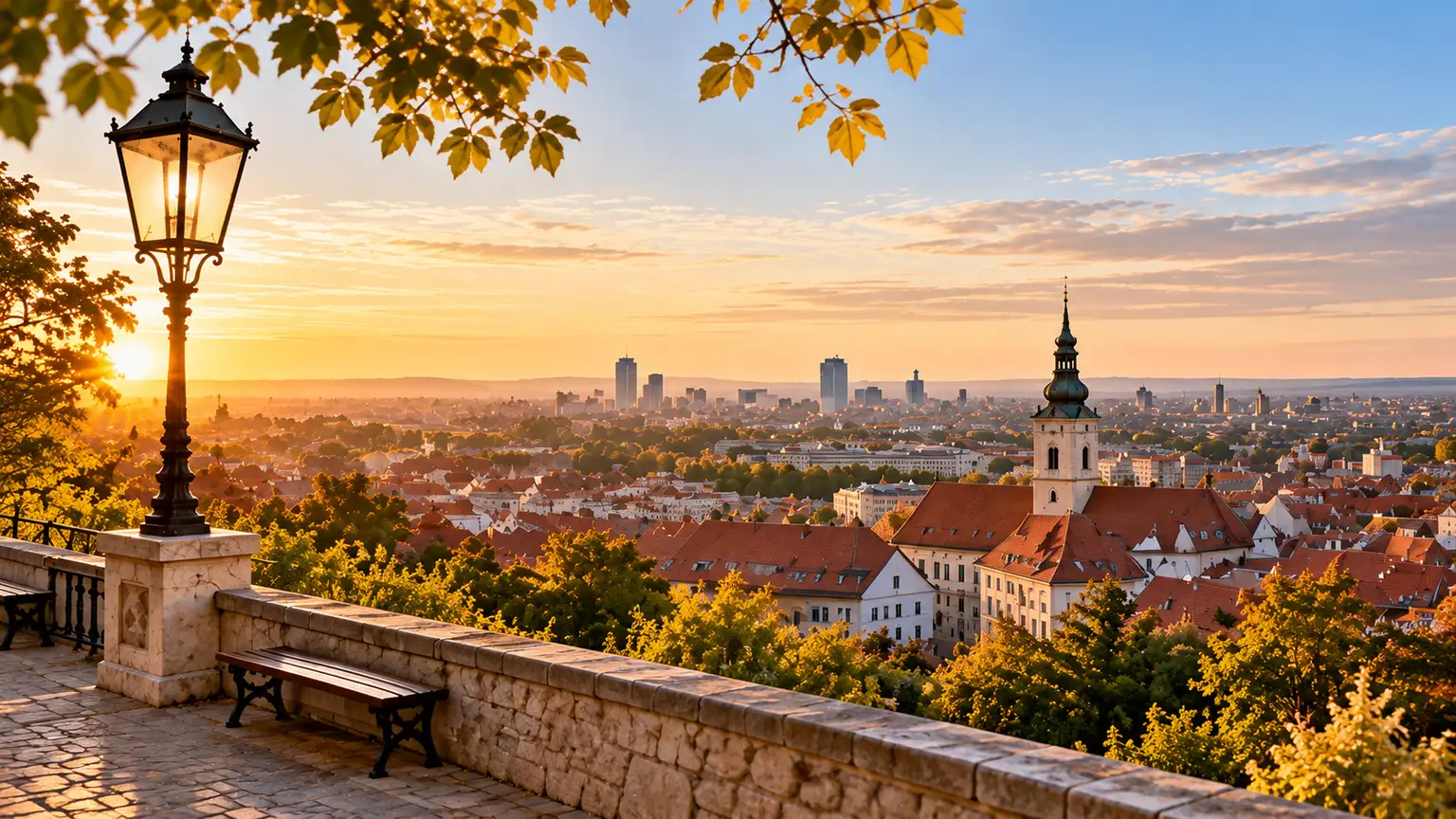
For most people outside Zagreb, the Upper Town is a postcard scene: Lotrščak Tower, St. Mark's Church with its heraldic roof, and the Cathedral in nearby Kaptol. For those who actually live there, life in the Upper Town is both an address from which one descends to work every morning, and a neighborhood that is noticeably quieter in the evening, after tourists leave, than the rest of the city center. From our experience working with buyers, interest in the old town often comes from people who love the character of old buildings, and only later consider the practical aspects of everyday life. That's why in this guide, we explain what daily life is like, what types of properties prevail, what to check before buying, and to whom this part of the city is best suited. The general buying process is described in the guide on the real estate purchase process in Croatia.
Contents
- Where is the Upper Town and how does it differ from the Lower Town
- Daily life: accessibility, tourists, and peace in the evening
- What types of properties prevail and what to pay attention to
- Costs of buying and living in the historic core
- Documentation and land registry in old buildings
- For whom is the Upper Town a good choice
- How Regent can help you
- Frequently Asked Questions
Key Insights
- The Upper Town and neighboring Kaptol form the historic core of Zagreb, while the Lower Town was built later and carries most of the business life.
- During the day, the neighborhood is touristy, but in the evening and off-season, it is generally quiet.
- Old buildings prevail, and interventions on the facade, structure, or common parts of the building may require special protection conditions or approval for the intervention.
- Parking is limited, and daily errands often require going down to the city center.
- For older buildings, specifically check the land registry and cadastral status in relation to the actual situation on site.
- The neighborhood best suits a buyer who prioritizes the location and character of the building over practicality.
Where is the Upper Town and how does it differ from the Lower Town
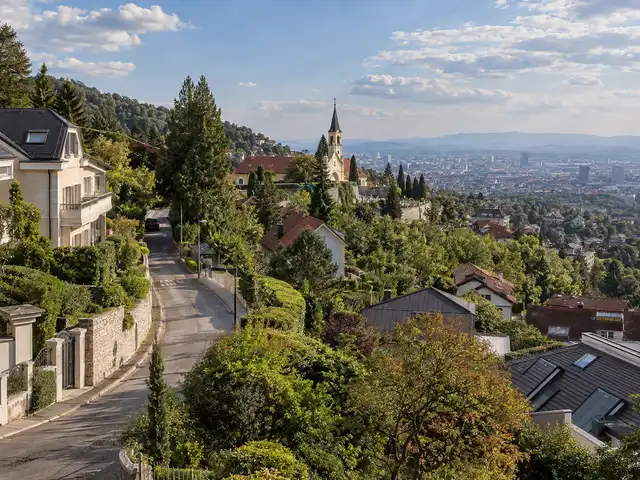
The Upper Town is part of the historic core of Zagreb, the medieval Gradec which developed alongside the episcopal Kaptol over centuries. The Lower Town, with Ban Jelačić Square and regular blocks from the Austro-Hungarian era, was built later, in the 19th century, and today carries most of the city's business and commercial life. The difference is not just architectural: the Lower Town is flat, while the Upper Town is on a hill, and this directly determines how one lives there, through stairs, a funicular, and narrow streets with no space for dense vehicular traffic. For someone moving to Zagreb, this means a concrete compromise: fewer parking spaces and steeper streets, in exchange for a location from which the city center is very close. The neighboring Kaptol follows the same logic, with its cathedral, bishop's palace, and narrow streets around them. The Upper Town and Kaptol are part of the historic urban entity of the City of Zagreb, a protected cultural-historical unit within which special rules for cultural heritage protection apply.
Professional tip: Before you get too keen on an address, walk through it as you would every day: with groceries, in the rain, and in the evening. Three such tours often tell more than any description.
Daily life: accessibility, tourists, and peace in the evening
During the day, the Upper Town is touristy: groups with guides, the funicular full of visitors, queues for museums and the cathedral. This is a fact that every future resident should know in advance. In the evening, the picture changes, as tourist flows dry up, and a silence remains that is uncommon in the center of a large city. Daily amenities, such as bakeries, smaller shops, and pharmacies, exist, but there are fewer of them than in the Lower Town or newer neighborhoods, so residents often do most of their weekly shopping by going down to the center. Public transport relies partly on the funicular and pedestrian routes, and a car in the historic core often complicates daily life due to narrow streets and limited parking. The rhythm also changes throughout the year: in summer, the neighborhood is livelier and more densely visited, and in winter, it is calmer. Those who work from home and value silence more than square footage will often find what they are looking for in the historic core.
Professional tip: If silence is important to you, view the property at different times of the day and week. The same street at noon in summer and on a Tuesday evening in winter feels like two different neighborhoods.
What types of properties prevail and what to pay attention to
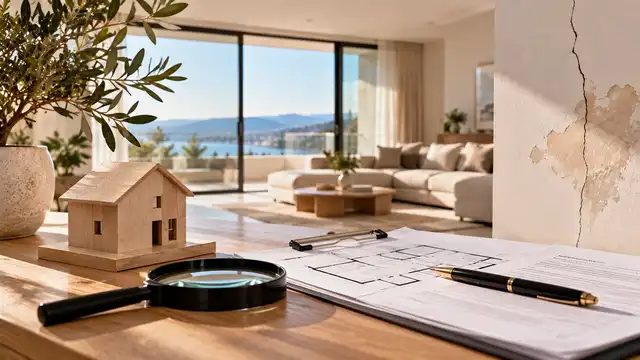
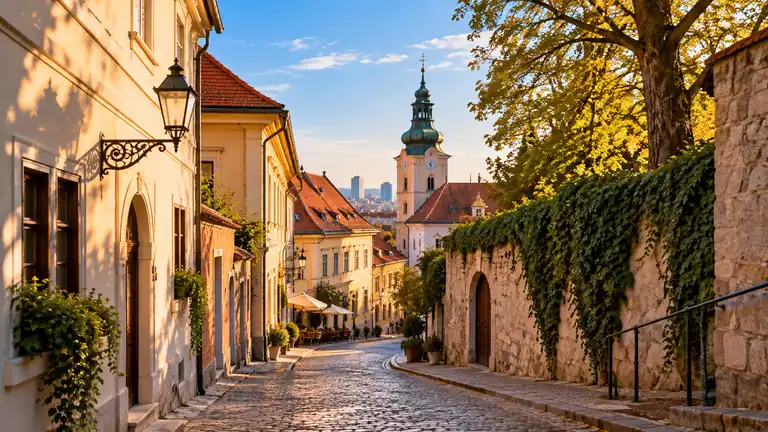
The real estate stock in the Upper Town is predominantly old buildings: structures built over centuries, partly renovated, partly in original condition. New constructions in the classic sense are almost non-existent, as the historic core is already built up and protected as a historical entity. According to the Act on the Protection and Preservation of Cultural Heritage (NN 145/24 and 151/25), major interventions on the facade, structure, or common parts of a building within a protected cultural-historical entity may require special conditions for cultural heritage protection, approval for the intervention, or other appropriate documentation, depending on the type and scope of works. For the Zagreb area, from 2026, the Ministry of Culture and Media will be responsible, through the competent conservation authority. Not all works are automatically under conservation regime. For certain works inside buildings that are part of a cultural-historical entity but are not individually protected, the law provides for exceptions if the works do not affect the structure, exterior, or common parts of the building. What applies to a specific address should be checked before purchase, as the scope and duration of the procedure vary from building to building. For the buyer, this means that the condition of the roof, installations, and common parts of the building should be inspected as carefully as the apartment itself. The cost of renovating an older building in a protected historic core can be higher, and deadlines longer, than in a newer settlement. What such an inspection covers is described in the guide on property inspection before purchase.
Professional tip: Before signing a preliminary agreement, request information from the building manager or co-owner representative about the condition of the roof, facade, and installations, as well as planned works. In old buildings, this is often the most important document you won't receive with the apartment itself.
Costs of buying and living in the historic core
The real estate transfer tax for the purchase of an existing property is 3%, according to the Real Estate Transfer Tax Act (NN 115/16 and 106/18). When purchasing a property subject to VAT, the general VAT rate of 25% applies. In certain cases of purchasing a new building from an investor who is a VAT payer, VAT is included in the purchase price, and real estate transfer tax is not paid on an acquisition subject to VAT. The application of VAT depends on the circumstances of the specific transaction and the status of the property, and this is rare in the historic core. The annual property tax is determined by the City of Zagreb, so check its amount for a specific property directly before purchase. The price per square meter in the historic core depends on the address, floor, building condition, and renovation level, and in a neighborhood with a limited number of properties on the market, a single average for the entire Upper Town is not a reliable indicator. For a specific property, it is worth comparing active offers for the same or a neighboring address and considering a professional appraisal; the differences between them are described in the guide on property valuation. In addition to the purchase price, also consider costs inherent to older buildings: common reserve fund contributions and future major works on common parts, as well as possible additional renovation costs in accordance with protection conditions. Figures for a specific building can only be obtained from the manager and from the minutes of the co-owners' meeting.
Professional tip: Create a budget for the first five years, not just for the day of purchase: purchase price, tax, apartment renovation, and expected share in building works. With old buildings, this last item is most often underestimated.
Documentation and land registry in old buildings
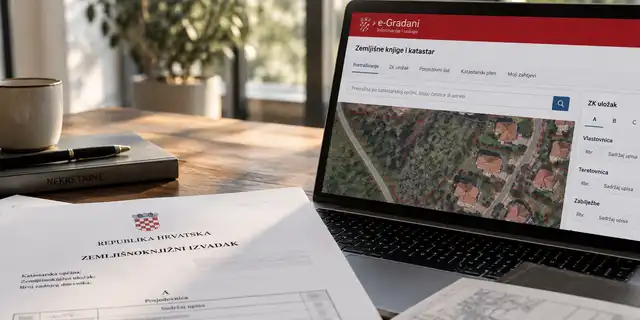
The land registry and cadastral status of older buildings in the historic core deserves special attention. It is possible that the situation on site is older than the last entry: an added attic, merged floors, or alterations that were never fully registered. Therefore, check the consistency of the documentation before buying, not after. The starting point is the land registry extract, which shows who the registered owner is and whether there are any encumbrances or notes; how to read it is explained in the guide on title deed, land registry, and cadastre. If the situation on site differs from what is in the records, this should be resolved before signing the contract, as it is more difficult and expensive to resolve later. The process of registering ownership after purchase is described in the guide on property registration in Croatia.
Professional tip: Compare the floor plan from the documentation with the actual state of the apartment while viewing it. Any difference, even minor, is a question you should ask the seller and your lawyer before signing.
For whom is the Upper Town a good choice
The Upper Town is rarely the first choice for a family with small children who need an elevator, parking in front of the building, and a nearby park. For this buyer profile, other parts of Zagreb are usually better suited. The historic core best serves a buyer who consciously chooses the location and character of the building over practicality: a foreigner moving to Zagreb who wants an address without the need for a car, or a domestic buyer looking for something that is no longer being built today. Families moving from abroad looking for proximity to schools and kindergartens and larger apartments usually find what they need more quickly in the flatter parts of the city. For a buyer without children, or for someone who works from home and values peace more than square footage, the calculation is often different. Foreign buyers can also check the page services for foreign buyers.
Professional tip: Ask yourself what will be more important to you in five years: the character of the building and location, or an elevator and parking. If the answer is not clear, spend a few weeks in the neighborhood, for example by short-term rental, before you buy.
How Regent can help you
Regent can help you with choosing a property in the historic core: checking the land registry status and documentation, comparing prices of active offers, and organizing necessary professional inspections. When legal or technical advice is needed, we can refer you to appropriate experts. If you are considering purchasing in the Upper Town, contact us or see what buying with Regent looks like. If you are considering purchasing in the center of Zagreb, also check out our current offer of properties near Kvaternik Square.
Frequently Asked Questions
Is the Upper Town suitable for year-round living?
- Yes, people live in the Upper Town all year round, but daily life is distinctly seasonal. In summer, the neighborhood is more densely visited, in winter calmer, and in the evening and off-season, it is generally quieter than the Lower Town. Those seeking liveliness throughout the day are more likely to find it in the Lower Town.
What types of properties prevail in the Upper Town?
- Old buildings prevail in the Upper Town, in various stages of renovation. Buildings have been built over centuries, and the historic core is developed and protected as a historical entity, so new constructions in the classic sense are almost non-existent.
Is parking a problem in the Upper Town?
- Yes, parking is practically limited. The streets are narrow and steep, vehicular traffic is restricted, and some residents consciously choose a car-free life in the very center. Parking possibilities should be checked for each specific address before purchase.
Are there restrictions for renovating properties in the protected historic core?
- Yes, major interventions on the facade, structure, or common parts of a building in a protected entity may require special cultural heritage protection conditions or approval for the intervention, depending on the type and scope of works. For Zagreb, from 2026, the Ministry of Culture and Media will be responsible, and for certain interior works, the law provides for exceptions. For a specific address, check this before signing the contract.
How far is the Upper Town from the city center and the Lower Town?
- The Upper Town is right next to the city center, and the Lower Town is below it, so it's a short walk down stairs and steep streets. Part of the way can be covered by the funicular. Due to the ascent, returning daily with groceries requires more effort than in the flat part of the city.
Is the Upper Town a good choice for foreign buyers moving to Zagreb?
- It can be, especially for a buyer who values location and the character of the building more than parking and elevators. Families with small children and larger apartments with elevators usually find what they need more easily in the flatter parts of the city.
What is the transfer tax when buying an existing property in the Upper Town?
- The real estate transfer tax for the purchase of an existing property is 3%, according to the Real Estate Transfer Tax Act (NN 115/16 and 106/18). The annual property tax is determined by the City of Zagreb, so check its amount directly before purchase.
Is there a reliable price per square meter for the Upper Town?
- There is no single reliable average that applies to the entire neighborhood. The price depends on the address, floor, building condition, and renovation level, and the small number of transacted properties in the historic core makes general comparisons difficult. For a specific appraisal, look at active offers for a particular address and a professional valuation.
Recommended
- What are the title deed, land registry, and cadastre, and how to read them
- Property inspection before purchase: legal check, technical appraisal, and handover
- Property valuation: market, mortgage, tax
- How the real estate purchase process in Croatia works step by step