You've bought your first apartment and now you're faced with the question of how to transfer ownership of the property to your name? Does your head hurt, and you haven't even started yet? There's no need for that. Registering ownership in the cadastre and land registry seems complicated at first, but it's not that difficult. Through this guide, step by step, we will explain what you need to do to officially become the owner of the property, what documents are needed, and what important legal obligations you need to fulfill.
What are the cadastre and land registry?
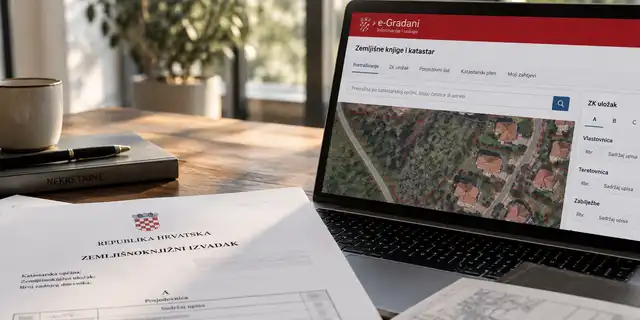
Before we dive into the details of the ownership transfer procedure, be sure to understand the basic difference between the cadastre and the land registry because both systems have their role in the registration of ownership, and now they are combined in the system of the Joint Information System of Land Books and Cadastre.
The system has already brought many benefits to users, considering that the time needed to access data and register has now been significantly shortened, and citizens can see the ownership structure of the property and its location in the space in one place.
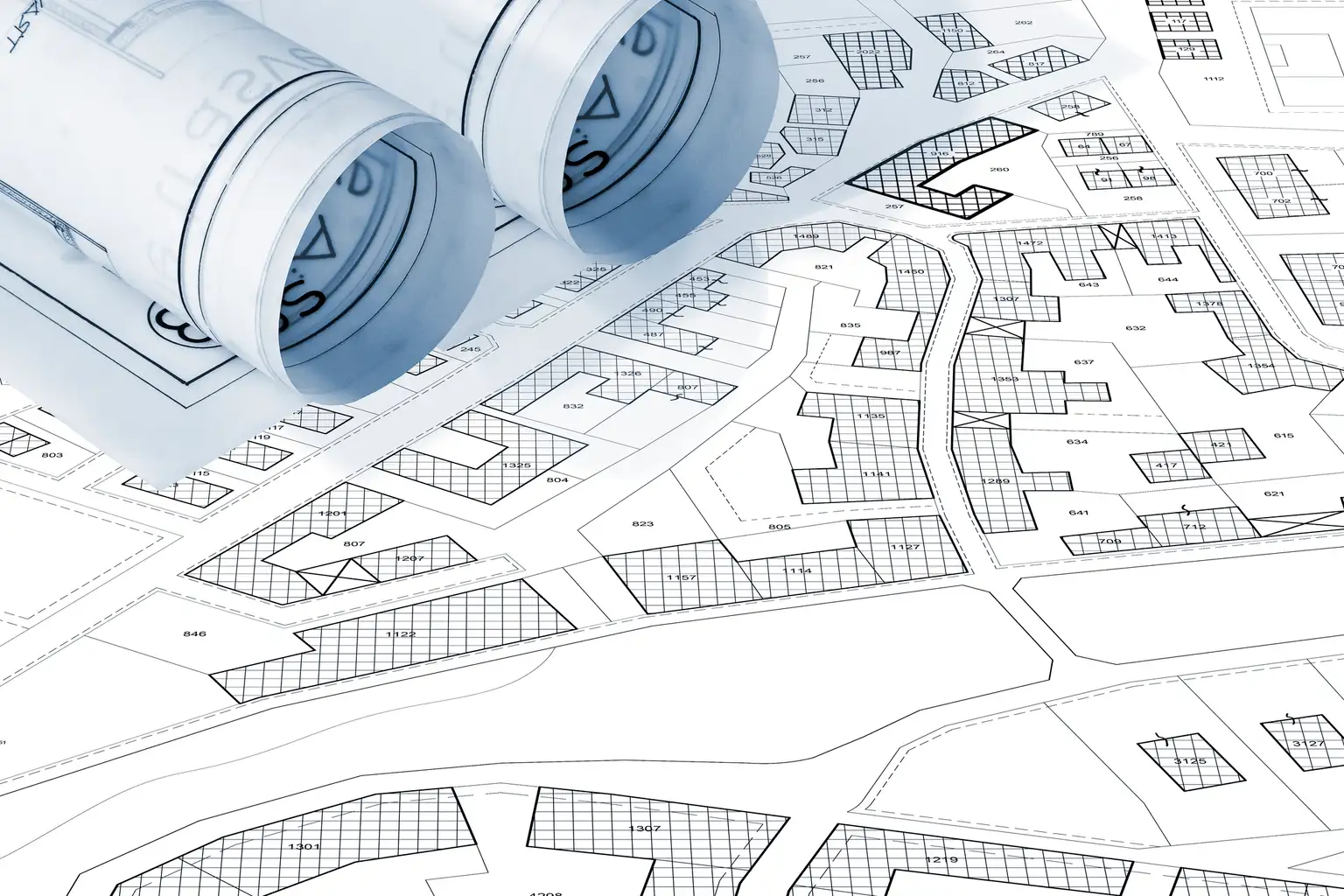
The cadastre is a system that records physical data about real estate. Here you will find information about the land boundaries, cadastral parcel, surface area, and type of land. Although the cadastre provides important information about the parcel, it does not contain information about the owners.
The land registry is a legal register in which data on ownership and all rights related to the property are recorded, such as mortgages, easements, or encumbrances. The land registry ensures the legal protection of ownership because only by registering in the land registry can you become the official owner of the property and dispose of it.
Steps in transferring ownership
Now that you understand the basic difference between the cadastre and the land registry, it's time to embark on the process of transferring ownership. There are a few key steps you will need to go through.
1. Signing the sales contract
The first step when buying real estate is signing the sales contract with the seller. This contract must clearly define all the conditions - how much you will pay, when, and how. This is a key document that ensures that all the details of the transaction are clearly set and that both parties agree.
In most cases, this contract should be signed in the presence of a notary public or lawyer, which makes it legally binding. It is essential that the contract contains all the essential information about the property, such as the address, cadastral parcel, and surface area, so that it is completely clear what the transaction refers to.
And of course, all parties must sign the contract in good faith, because this is the basis for all further steps, including registration in the land registry.
2. Collecting the necessary documents
In order for the transfer of ownership to be officially recorded, these are the documents you must collect:
- Property list – a document that confirms the current owner of the property and is issued by the land registry
- Cadastral extract – a document that shows all geographic and physical data about the property
- Sales contract – a certified contract you signed with the seller
- Certificate of paid real estate transfer tax – proves that you have paid the mandatory property tax
- Documents related to financial obligations (if relevant), e.g. mortgage confirmations
3. Submitting a request for registration in the land registry
Once you have collected all the necessary documents, the next step is to submit a request for registration of ownership in the land registry. You will do this by submitting a request to the municipal court or the land registry department, along with all the necessary papers, such as the sales contract, cadastral extract, and proof of paid tax.
The request can be submitted by either party in the transaction, but it is usually the responsibility of the buyer, because he becomes the new owner of the property. So, this is one of the last, but key steps on the way to officially becoming the owner of your new property.
4. Payment of real estate transfer tax
Buying real estate in Croatia is subject to real estate transfer tax, which amounts to 3% of the sale price. Before submitting a request for registration in the land registry, it is necessary to settle this tax. Namely, the request for registration of ownership will not be accepted without proof that the tax has already been paid.
Therefore, before you start submitting the request, make sure you pay the property tax, and you will have to attach proof of payment along with the rest of the necessary documentation.
5. Registration in the land registry
Once all the documents have been submitted and the tax has been paid, the next step is registration in the land registry, which actually formalizes the transfer of ownership. This entry means that you have officially become the owner of the property, and from that moment you are legally recognized as its owner. Registration in the land registry provides you with legal protection, because now your ownership is fully confirmed in the official registers.
For the registration procedure itself, depending on the workload of the land registry department, it may take 30 to 60 days, but after that, you can be sure that the property is officially yours.
Why is it important to register in the cadastre and land registry?
Registration in the cadastre and land registry is crucial for your legal security as the owner of the property. Although you may have already signed the sales contract and paid the price of the property, you only become the legal owner when the registration is done.
The cadastre gives details about the physical and geographically specific characteristics of the property, while the land registry confirms your ownership and provides you with legal protection. Without registration in the land registry, you cannot officially dispose of the property, such as selling, renting, or encumbering with a mortgage. Registration is, therefore, crucial for you to have full rights to your property.
The transfer of ownership of real estate through the cadastre and land registry is a necessary legal step that ensures the security of ownership and the legal protection of your rights. Registration in the cadastre provides geographical and physical information about the property, while the land registry provides legal security because it confirms that you are the official owner. Although the process can be complicated, with the proper documentation and understanding of the procedure, you can ensure smooth ownership and disposal of the property.