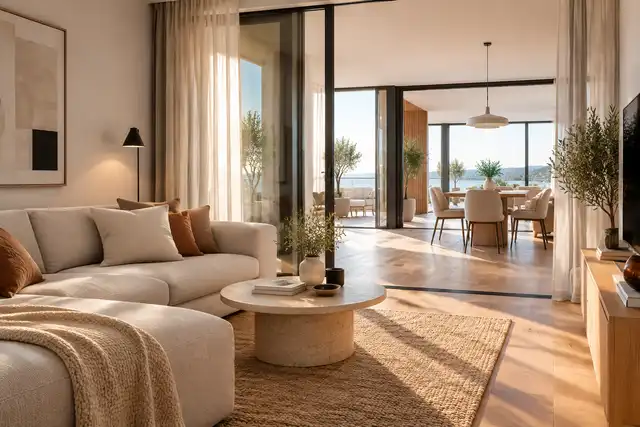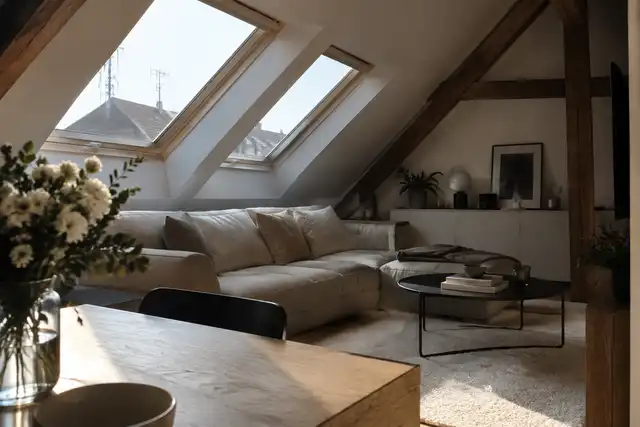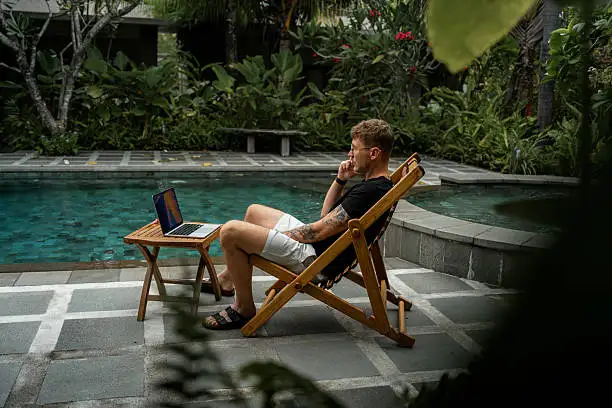
Croatia has not by chance become one of the most desirable European destinations for digital nomads. The combination of quality of life, growing digital infrastructure, and proactive legislative policy since 2021 has made this Adriatic destination one of the most competitive in all of Europe for remote work. Croatia is one of the few European countries with a formal legal framework for digital nomads, providing legal certainty and clearly defined residence rights.
2021 was a real turning point. Croatia then became one of the first European countries to introduce a legal framework for the residence of digital nomads. This decision was not just a symbolic gesture—it signaled a serious intention to attract highly educated foreigners with higher incomes.
Regent real estate agency notes a continuous increase in interest from digital nomads for long-term rentals and property purchases in Croatia—a trend that has been steadily intensifying since 2022, with particularly pronounced demand for properties in Split, Zadar, and Zagreb.
Croatia is not just a holiday destination—it is increasingly becoming a strategic base for international professionals seeking long-term stability.
The connection and relationship between nomad status and the real estate market lie precisely at this point. The topic of the real estate market for digital nomads in Croatia is not an abstraction—in practice, more and more digital nomads who come for a shorter trial period of stay turn into property buyers or long-term tenants, especially in Split, Zadar, and Dubrovnik. The legal and practical framework for structuring this process begins with legislative foundations.
Legislative Framework: How to Obtain 'Digital Nomad Stay' in Croatia
In 2021, Croatia was one of the first European countries to regulate the status of digital nomads within a formal legislative framework. Understanding this framework is the crucial first step for any digital nomad planning a longer stay in Croatia—and everything that follows, from taxes to property selection, is built on these foundations.
Who is a "digital nomad" according to the law?
According to the Aliens Act and MUP regulations, a digital nomad is a third-country national who temporarily resides in the Republic of Croatia, performing work for a foreign employer or their own foreign business entity—exclusively via the internet. The work must be performed for entities outside Croatia. Providing services to domestic clients is not permitted within this status.
Financial Threshold and Documentation
The minimum income required by Croatian regulations is €2,870 net per month, which is approximately 120% of the average net salary in Croatia, making it one of the higher thresholds in the region. In addition to proof of income, the following must be submitted:
• Employment or cooperation contract with a foreign employer or clients
• Proof of health insurance covering the territory of Croatia for the entire period of stay
• Certificate of no criminal record from the country of origin
• Proof of accommodation—this is where the importance of apartment rental for digital nomads in Croatia comes into play, which is the most common solution in practice for fulfilling this condition
Duration and Renewal of Stay
Temporary stay for digital nomads is granted for a period of up to one year, with the possibility of renewal. There must be a certain time interval between two consecutive stays—which effectively prevents continuous residency without acquiring formal resident status.
The digital nomad status in Croatia does not mean tax residency—and precisely this difference opens up one of the most attractive financial mechanisms in all of Europe.
Tax Benefits for Digital Nomads in Croatia
One of the strongest arguments for Croatia is neither the climate nor the Adriatic—but the tax legislation that offers digital nomads an exceptional advantage in the European context.
Legal Basis
Digital nomads in Croatia do not pay income tax on income from foreign sources—this is legally defined by the Income Tax Act. Digital nomads residing in Croatia based on a special temporary stay are not tax residents and therefore are not liable for income tax in the Republic of Croatia on income earned from foreign sources.
Residence Status and Tax Residency: The Key Difference
Understanding the difference between residence status and tax residency is central for anyone considering this step. The digital nomad visa works in a specific way: a digital nomad legally resides in Croatia but remains a tax resident of their home country—provided they meet the residency criteria there. This raises the issue of double taxation, which Croatia resolves through a network of bilateral agreements with over 60 countries.
Tax savings of 20 to 45% of income, depending on the home country, directly translate into more realistic purchasing power in the real estate market.
Impact on Purchasing Power and the Real Estate Market
A digital nomad with an annual income of €50,000 who does not pay taxes in Croatia retains significantly higher disposable income than in most Western European countries. This difference is not negligible—it directly changes the calculation for long-term rental of properties in Croatia or the purchase of a property. From our experience at Regent real estate agency, this increased purchasing power is one of the key drivers of demand from digital nomads for higher-quality housing solutions outside the tourist season.
Real Estate Market for Digital Nomads: From Rental to Ownership
Tax benefits are attractive, but the reality of the real estate market in Croatia presents its own challenges. Finding quality accommodation outside the tourist season is often a demanding and lengthy process—a significant portion of the housing stock is specifically reserved for short-term tourist rentals, which generate higher income during the summer months.
What Properties Do Digital Nomads Look For?
Based on the inquiries Regent real estate agency receives from digital nomads, the profile of the desired property is consistent regardless of location:
• Apartments of 30 to 60 m² in urban centers with good transport links
• Properties near coworking spaces, catering facilities, and public transport
• Fully furnished apartments with a functional workspace
• Stable fiber optic internet connection with a speed of at least 100 Mbps
• A contract for 3 to 12 months with clearly defined terms
At Regent agency, we advise digital nomads to focus their search on apartments for rent in Zagreb, apartments for rent in Split, apartments for rent in Zadar, and apartments for rent in Dubrovnik—each of these destinations offers a different ratio of price, infrastructure, and quality of life.
Why Mid-Term Rental is the Optimal Solution
Mid-term rentals—contracts between 3 and 12 months—are an increasingly popular format for both digital nomads and landlords seeking stability. Unlike the short-term tourist model, this arrangement means predictable income without constant reservation management, while the digital nomad gets a space they can adapt for daily professional work. Prices are consistently 30-50% lower than daily tourist rates, and the contractual relationship offers greater legal protection for both parties.
Precisely this economic logic drives the growth in demand in the long-term apartment rental segment in Croatia—digital nomads who understand how digital nomads pay taxes in Croatia, i.e., that they do not pay domestic income tax, are more willing to accept a slightly higher rent because their net income remains untouched.
Focus Regions: Where to Look for Property?
Each destination brings a different dynamic, and long-term rental prices vary depending on the location:
• Split—urban dynamics, excellent transport links, and a growing number of coworking spaces; rents from €600 to €1,200 per month; popular neighborhoods: Meje, Spinut, Bačvice—see properties in Split
• Zadar—an increasingly frequent choice due to a more favorable price-quality ratio and a quiet atmosphere outside the season; rents from €450 to €900 per month; popular neighborhoods: Borik, Voštarnica—see properties in Zadar
• Dubrovnik—high standard of living with rents from €900 to €1,800 per month—see properties in Dubrovnik
• Zagreb—the only option that works year-round without seasonal fluctuations, with the most developed business infrastructure; rents from €500 to €1,100; popular neighborhoods: Gornji Grad, Trnje, Heinzelova zona—see properties in Zagreb
• Istria and Hvar—increasingly present alternative destinations for digital nomads seeking peace, nature, and a good internet connection outside the season
Buying Property in Croatia: A Guide for Digital Nomads
For digital nomads planning a long-term stay in Croatia, buying property is a logical next step. At Regent real estate agency, we advise clients from abroad through this process daily—and from our experience, we can confirm that with proper preparation, this step is significantly simpler than it seems.
Who Can Buy Property in Croatia?
Digital nomads who are EU citizens can buy property in Croatia without restrictions, under the same conditions as Croatian citizens. For the purchase of property in Croatia by foreign citizens from outside the EU, the principle of reciprocity applies—purchase is possible for citizens of countries with which Croatia has concluded bilateral agreements.
Step-by-Step Property Purchase Process
1. Property selection—tailored to the buyer's profile, location preferences, and budget
2. Verification of ownership and encumbrances—inspection of land registries and verification of any encumbrances on the property; Regent conducts this verification as part of its standard service
3. Preliminary contract—conclusion of a preliminary contract defining the terms of sale and deadlines
4. Sales contract—conclusion of the final contract before a notary public
5. Registration of ownership—entry into the land registers; only upon registration does the buyer become the legal owner of the property
6. Real estate transfer tax—amounts to 3% of the market value of the property and is paid by the buyer
From our experience, we advise all foreign buyers to plan these costs in advance so that the transaction proceeds without unforeseen delays. Read more about the purchase process in our blog on buying property in Croatia for foreigners.
Most Popular Property Types Among Digital Nomads
Based on the demand recorded by Regent real estate agency, digital nomads who decide to buy most often choose:
• Urban apartments of 40 to 70 m² in the city centers of Split, Zadar, and Zagreb
• Properties with a terrace or balcony that allow for outdoor work
• Older apartments in historical centers with renovation potential
• Small family apartments in quieter neighborhoods with good transport links
How to Attract Digital Nomads: A Guide for Property Owners
The long-term rental market for digital nomads is developing rapidly, and property owners who adapt first will have a clear advantage. The key is not just the location—but what the property offers to professionals who work from it daily.
Furnishing Property for Remote Work
Ergonomics and connectivity are not luxuries, but basic prerequisites. A digital nomad planning a stay of several months looks for:
• Stable fiber optic connection with a speed of at least 100 Mbps
• A functional desk and ergonomic chair suitable for long working hours
• Good curtains or blinds that eliminate screen glare
• A backup mobile router in case of internet connection failure
A property that does not meet these technical prerequisites will rarely be considered by a digital nomad planning how to obtain digital nomad status in Croatia and a longer stay. Read more about furnishing property for the rental market in our blog on long-term property rentals.
Pricing Strategies for Pre-Season and Post-Season
Flexible pricing strategies are crucial for filling capacity outside of July and August. Owners who offer rents of €600 to €900 per month in October or April attract stable tenants who ensure predictable income instead of short-term guests.
Where to Advertise
Specialized platforms like Nomad Stays or Flathunter directly reach the target audience of digital nomads. Local classifieds cover the market that is already searching for Croatia. A combination of both channels increases visibility and attracts relevant inquiries.
Owners who adapt their properties to the needs of professional remote work offer significantly more than standard rentals—and it is precisely this adaptation that determines who will profit from the growing trend of remote work in Croatia.
The Future of Nomadism in Croatia: A Strategic Advantage Over Classic Tourism
The question is no longer whether digital nomads will become an important part of the Croatian economic ecosystem—but how quickly Croatia will recognize this potential and act strategically.
Sustainability vs. Mass Tourism
Mass tourism brings income in July and August, leaving the infrastructure underutilized for the rest of the year. A digital nomad, on the other hand, pays rent for twelve months, spends regularly in the local community, and does not contribute to the excessive burden on tourist infrastructure during the season. The year-round spending of one digital nomad surpasses the income from a weekly tourist in the long run—and this is without the environmental and logistical costs that mass tourism imposes on local communities.
Potential for 'Brain Gain'—Attracting Highly Educated Foreign Experts
Some digital nomads do not remain nomads forever. Those who start families or identify business opportunities eventually grow into entrepreneurs, investors, or residents. Croatia has concrete prerequisites for attracting this profile of inhabitants: highly educated foreign citizens with international business networks and capital. Such a trend represents not only economic benefit but also a long-term structural transformation of local communities.
Croatia as a Year-Round Destination
Istria in winter, Dubrovnik in October, Zagreb in December—these are all destinations experiencing growing demand from digital nomads outside the summer season. Internet quality, European legal security, and the Mediterranean pace of life make Croatia a competitive destination throughout the year. The 2021 legislative framework and tax exemption lay a solid foundation.
Conclusion
• Since 2021, Croatia has been one of the few European countries with a formal legal framework for digital nomads that provides legal certainty and clearly defined residence rights
• Digital nomads do not pay income tax in Croatia on income from foreign sources—which directly increases their purchasing power in the real estate market
• Mid-term rental (3–12 months) is the optimal solution for both parties—tenant and property owner
• Split, Zadar, Dubrovnik, and Zagreb are leading destinations, each with a different ratio of price, business infrastructure, and quality of life
• Digital nomads who are EU citizens can buy property in Croatia without restrictions, while third-country nationals are subject to specific reciprocity conditions
• Property owners who adapt their accommodation for professional remote work have a clear advantage in this growing market
• Regent real estate agency provides expert support to digital nomads and property owners through all phases—from rental to purchase
Frequently Asked Questions
Can digital nomads buy property in Croatia?
Digital nomads who are EU citizens can buy property in Croatia without restrictions. Third-country nationals can buy property under the condition of reciprocity or based on bilateral agreements. Regent real estate agency provides expert support throughout the entire purchase process—from property selection to ownership registration.
How much does it cost to rent an apartment for digital nomads in Croatia?
Long-term rental prices vary depending on the location: in Split from €600 to €1,200 per month, in Zadar from €450 to €900, in Dubrovnik from €900 to €1,800, and in Zagreb from €500 to €1,100 for a property adapted for remote work. Current offers are available at regent.hr.
Do digital nomads pay taxes in Croatia?
Digital nomads residing in Croatia based on temporary stay are not tax residents and do not pay income tax in Croatia on income earned from foreign sources, in accordance with the Income Tax Act.
What are the conditions for obtaining digital nomad status in Croatia?
It is necessary to prove a minimum net income of €2,870 per month, have health insurance, a contract with a foreign employer or clients, a certificate of no criminal record from the country of origin, and proof of accommodation in Croatia.
What is the best location for digital nomads in Croatia?
Depending on priorities: Split offers urban dynamics and transport links, Zadar a more favorable price-quality ratio, Dubrovnik a high standard of living, and Zagreb year-round business infrastructure without seasonal fluctuations.
What properties are most popular among digital nomads in Croatia?
Based on the demand we record, digital nomads most often look for fully furnished urban apartments of 30 to 60 m² with a quality internet connection, a functional workspace, and good transport links.
How does Regent agency help digital nomads with renting or buying property in Croatia?
Regent real estate agency provides individually tailored advice from the first inquiry to the signing of the contract—including location and property selection, legal verification, negotiation of terms, and support with registration. Contact us and our team is at your disposal.
Looking for a long-term rental or considering buying property in Croatia? Regent real estate agency provides expert advice tailored to the status and needs of a digital nomad—from location selection to legal support in contract conclusion. Contact us and together we will find the right solution.