Summary
The Mediterranean style in contemporary architecture is becoming increasingly important in the real estate market in Croatia because it combines design, functionality, and a lifestyle connected with the sea, climate, and outdoor living. For buyers of houses, villas, and apartments on the coast, in Istria, Dalmatia, Kvarner, and on the islands, architecture often has the same emotional value as the location itself. Buyers do not observe only the square footage and layout, but also the atmosphere of the space: how connected the home is to the terrace, how much natural light there is, whether privacy exists, how materials were used, and whether the property matches the lifestyle expected of it.
Key facts
- The Mediterranean style in contemporary architecture is not just an aesthetic direction, but a combination of functional living, local materials, and climate adaptation.
- Buyers particularly appreciate it in properties on the coast, in Istria, Dalmatia, Kvarner, and on the islands because it connects the space with the sea, light, terraces, and outdoor living.
- The most important elements of the Mediterranean style are natural stone, wood, light tones, large terraces, pergolas, gardens, swimming pools, views, and the connection of the interior with the exterior.
- A well-executed Mediterranean style can increase a property's market appeal, but it cannot replace key factors such as location, documentation, construction quality, and functional layout.
- Outdoor space often plays a crucial role in a property's impression — a terrace, loggia, garden, or summer kitchen often mean as much to buyers as the indoor square footage.
- Contemporary buyers are increasingly looking for a modern interpretation of the Mediterranean style: simple lines, quality materials, energy efficiency, and an authentic relationship with the location.
- Superficial use of Mediterranean elements, such as stone cladding without a functional terrace, shade, or a good layout, does not create real value for the buyer.
In this guide, we explain what the Mediterranean style means in contemporary architecture today, why it is so appealing to buyers, which elements most influence the impression of a property, and what buyers, investors, and sellers who want to recognize or create a quality Mediterranean space should pay attention to.
Contents
- What the Mediterranean style means in architecture today
- Why buyers love the Mediterranean style
- Traditional and contemporary Mediterranean approach
- Key elements: stone, wood, terrace, pergola and view
- The role of outdoor space in property value
- Mediterranean style in new construction
- Common mistakes in interpreting the Mediterranean style
- What buyers should pay attention to
- How Regent can help you
- Frequently Asked Questions
- Recommended
What the Mediterranean style means in architecture today
The Mediterranean style no longer exclusively means a traditional stone house, rustic details, and dark wood. In contemporary architecture, it is evolving towards clean lines, natural materials, large openings, bright interiors, and functional outdoor spaces.
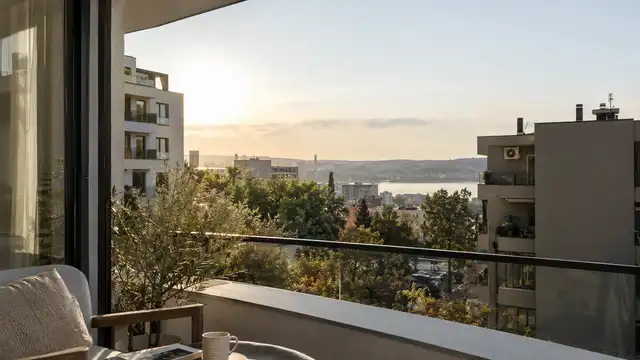
Today, the Mediterranean style is most often recognized through the property's relationship with its environment. A house or apartment should not appear separate from the location but as a logical extension of the landscape. On the coast, this means utilizing the view, natural light, shade, terraces, gardens, and materials that suit the local climate.
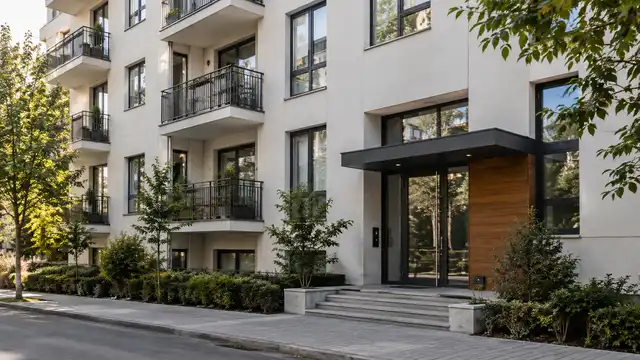
In practice, this style can appear in various forms: as a contemporary villa with straight lines and stone details, a renovated Istrian house with a modern interior, an apartment with a large loggia and sea view, or a smaller new construction that uses neutral tones, pergolas, and natural materials.
Professional advice: When assessing Mediterranean style, don't just look at the facade. The true value is seen in the layout, orientation, outdoor space, quality of materials, and the way the interior connects with the exterior.
Why buyers love the Mediterranean style
Buyers often associate the Mediterranean style with a sense of vacation, privacy, and a more relaxed lifestyle. For coastal properties, especially in Dalmatia, Istria, Kvarner, and on the islands, more than just living space is being purchased. It's the atmosphere of the location that's being bought.
A large terrace, a shady pergola, a sea view, a stone wall, a garden with indigenous plants, or a summer kitchen create the impression of a space that is used for most of the year. Such features are particularly important to buyers looking for a property as a second home, a vacation home, or an investment for rent.
The Mediterranean style gives buyers a sense of authenticity. A property that uses local materials and respects the ambiance often appears more convincing than a space that could look the same in any other country. This connection to the place can be an important differentiator in the market.
It is important to emphasize that style alone does not guarantee a higher price. Market value is still influenced by location, documentation, construction quality, property condition, layout, view, access, parking, and a realistic price. However, a well-executed Mediterranean style can increase the market appeal of a property and make it easier for the buyer to emotionally understand the value of the space.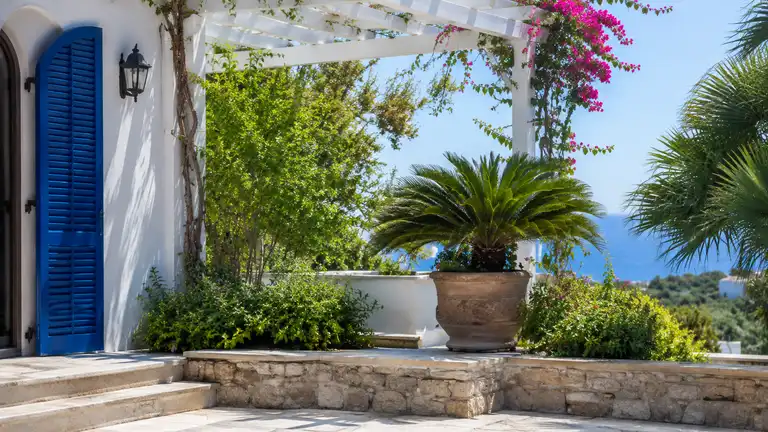
Traditional and contemporary Mediterranean approach
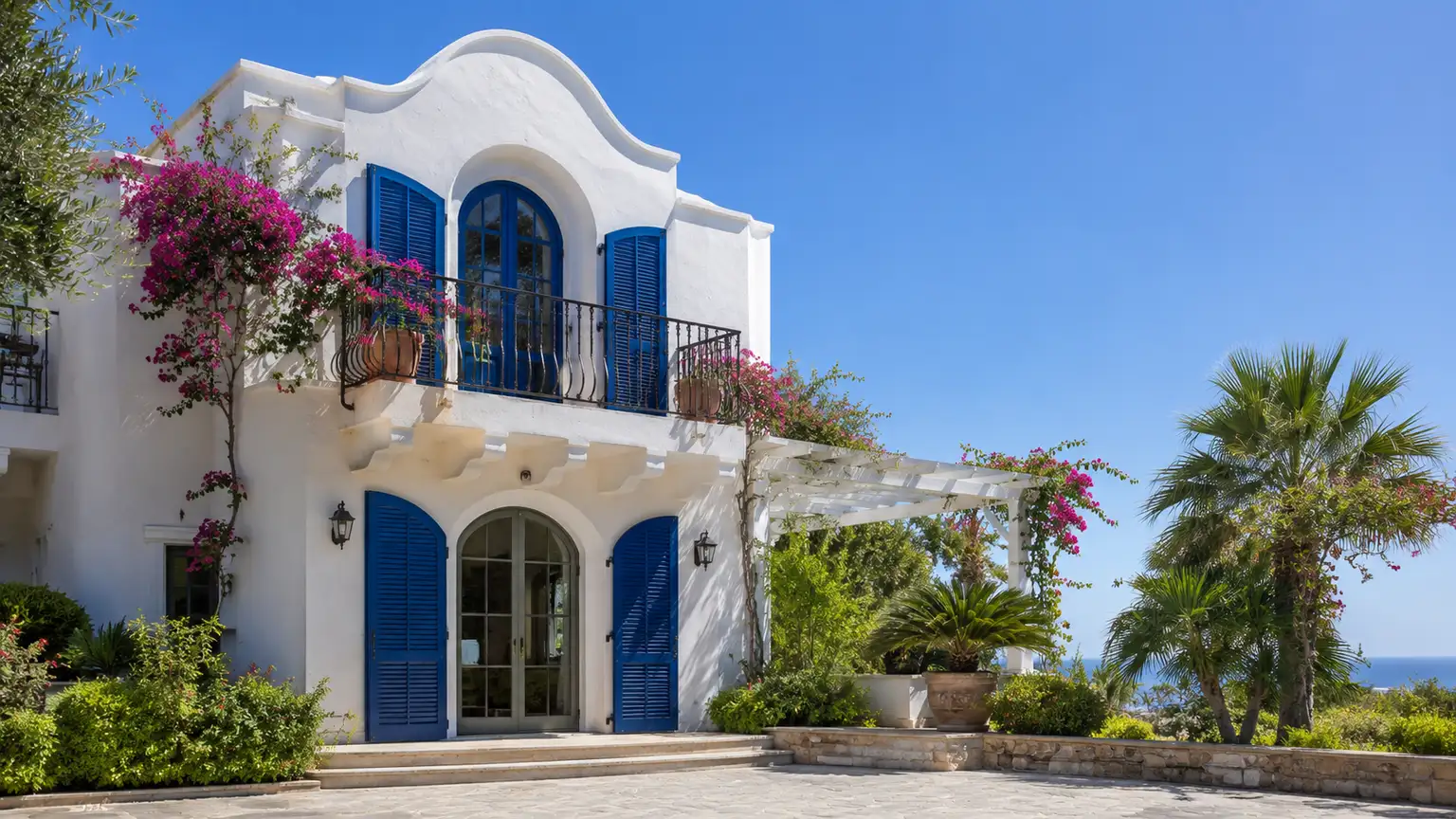
The traditional Mediterranean style is based on local materials and practical solutions. Stone walls, smaller openings, wooden shutters, internal courtyards, thick constructions, and covered areas were not created solely for aesthetics but as a response to the climate, sun, wind, and the need for a comfortable stay during the summer.
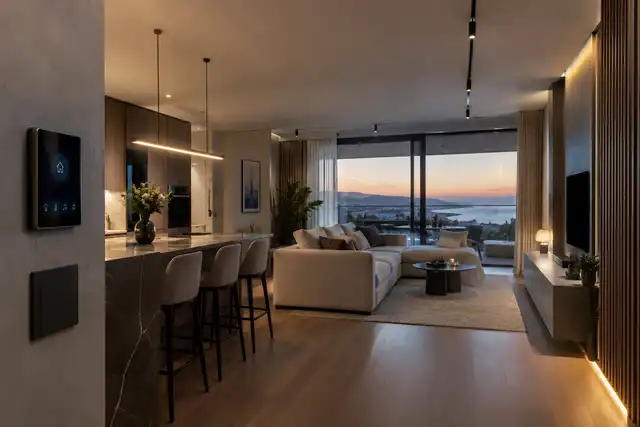
The contemporary Mediterranean style adopts these principles but adapts them to today's way of life. Instead of enclosed spaces and small windows, large glass walls are often used, but with quality shading. Instead of heavy rustic interiors, preference is given to light colors, natural material textures, and simpler furniture.
The most successful projects are not copies of the past but contemporary interpretations of local architecture. This means that a modern villa can have straight lines, a minimalist interior, and smart management systems, yet still retain its Mediterranean character through stone, terraces, pergolas, a garden, and its relationship to the sun and view.
Professional advice: When buying or developing a property on the coast, contemporary design should not negate local identity. The best results are achieved when modern functionality and Mediterranean character work together.
Key elements: stone, wood, terrace, pergola and view
One of the most recognizable elements of the Mediterranean style is stone. It can be used on the facade, retaining walls, interior details, fences, or outdoor surfaces. When properly integrated, stone gives the space a sense of permanence and connection to the location.
Wood often appears through floors, ceiling beams, pergolas, shades, exterior carpentry, or furniture. In contemporary interiors, it is most commonly used moderately, as a warm contrast to light walls, stone, and ceramics.
The terrace is one of the most important elements. In Mediterranean properties, the terrace is not an addition but an extension of the living room. Buyers particularly appreciate terraces that are large enough for dining, relaxation, and outdoor living, not just a narrow balcony with limited function.
A pergola, covered loggia, or other type of shading has both an aesthetic and practical role. A good Mediterranean space must have sun control. Large unprotected glass surfaces can create overheating problems, while properly designed shade increases the comfort of using the space.
The view is a special element, but not sufficient on its own. If the layout of rooms, terraces, and openings does not utilize the view, the property's potential remains partially unexploited. The living room, dining room, master bedroom, and outdoor areas should be thoughtfully connected to the best vistas.
The role of outdoor space in property value
For Mediterranean properties, outdoor space often holds equal importance to the interior. A terrace, garden, pool, summer kitchen, sunbathing area, covered dining area, or private courtyard can significantly influence the overall impression of a property.
Buyers looking for a house or villa on the coast often want a space where they can live outdoors as much as indoors. This is particularly pronounced in family homes, vacation villas, and properties intended for tourist rental. The outdoor space must be functional, sufficiently private, and logically connected to the interior.
Not every terrace is equally valuable. A terrace without shade, without privacy, or with poor access from the living area has less utility value. On the other hand, a terrace that has a view, sun protection, enough space for a table and seating, and a good connection to the kitchen or living room becomes one of the key advantages of the property.
Professional advice: When presenting a Mediterranean property, specifically highlight outdoor areas that have a real function: a covered terrace, garden, summer kitchen, pool, dining area, and orientation towards the view.
Mediterranean style in new construction
In new construction, the Mediterranean style is increasingly appearing in boutique projects, smaller residential buildings, villas, and apartment projects by the sea. Investors use it to better connect the project with the location and create a warmer impression than classic, generic new construction.
In quality new construction, the Mediterranean style is not just decorative stone on the facade. It includes thoughtful apartment orientation, large terraces, privacy between units, natural light, a garage or parking, quality carpentry, energy efficiency, and materials suitable for coastal conditions.
Buyers in new construction expect modern comfort: a heat pump, quality insulation, air conditioning, underfloor heating, good carpentry, an elevator, a garage space, and secure documentation. The Mediterranean style adds emotional and visual value, but must not replace the technical quality of the project.
That's why the most successful projects are those that combine local character and contemporary functionality. Such projects appear more convincing, are easier to present on the market, and can better differentiate themselves from the competition.
Common mistakes in interpreting the Mediterranean style
One of the most common mistakes is the superficial use of Mediterranean elements. Stone cladding, blue details, or rustic furniture do not in themselves create a quality Mediterranean style. If the layout is not functional, if there is not enough light, if the terrace is not usable, or if the materials seem low quality, the buyer will quickly notice.
Another mistake is exaggeration. Too many decorative elements can make a space look outdated or overdone. Contemporary buyers often seek a calmer, cleaner interior that allows the view, light, and materials to shine through.
A third mistake is neglecting the climate. Large glass walls without shading, dark materials on sun-exposed surfaces, poor ventilation, or insufficient insulation can create problems in the daily use of the space. The Mediterranean style must be comfortable to live in, not just photogenic.
Professional advice: If a property is being prepared for sale, do not try to artificially “add” Mediterranean style through decorations. It is better to emphasize existing qualities: light, view, materials, terrace, garden, and functionality.
What buyers should pay attention to
Buyers considering a Mediterranean-style property should check more than just the visual impression. First, it is important to understand the quality of construction and the condition of the property. For older stone houses, it is especially important to check the structure, moisture, roof, installations, joinery, and possibilities for adaptation.
For new construction, it is necessary to check the documentation, energy efficiency, quality of materials, deadlines, terrace execution, and parking. If the property is intended for rent, it is necessary to realistically assess who the target group of guests or tenants is and how much the outdoor space contributes to the overall attractiveness.
Special attention should be paid to orientation and shade. Southern orientation can be an advantage due to light and view, but without quality sun protection, it can create additional cooling costs. A northern or partially shaded position can be more comfortable during the summer, but the amount of natural light should be checked.
Buyers should also check privacy. Mediterranean properties often have open terraces, pools, and outdoor areas, so it is important to understand the relationship to neighbors, access roads, and surrounding objects.
How Regent can help you
Regent Real Estate can help buyers, sellers, and investors assess the true market value of a Mediterranean-style property. With such properties, it is not enough to just look at the square footage. It is important to understand the location, view, layout, quality of materials, outdoor areas, documentation, and potential for living or renting.
We can help buyers compare different properties on the coast, in Istria, Dalmatia, Kvarner, and on the islands, with an emphasis on what truly affects long-term value. We can help sellers in properly presenting the property, highlighting relevant advantages, and preparing an advertisement that clearly communicates the value of the space.
We can help investors in assessing the market potential of a project, choosing a location, positioning new construction, and understanding the profile of buyers that such a style appeals to.
Frequently Asked Questions
What is the Mediterranean style in contemporary architecture?
The Mediterranean style in contemporary architecture is a combination of natural materials, light tones, terraces, shade, large openings, local character, and a functional relationship to the climate. It does not have to be rustic; it can be modern, simple, and very clean.
Why do buyers love the Mediterranean style?
Buyers love it because it connects the property with the coastal way of life. Terraces, views, stone, wood, gardens, pools, and outdoor living create a sense of space that is not just residential, but also a lifestyle.
Does the Mediterranean style increase property value?
It can increase the market appeal of a property if it is executed qualitatively and in accordance with the location. However, value is determined not only by style but also by location, documentation, property condition, layout, construction quality, and realistic price.
What are the most important elements of the Mediterranean style?
The most important elements are natural materials, stone, wood, ceramics, light tones, a terrace, pergola, garden, pool, view, natural light, and a good connection between the interior and exterior space.
Is the Mediterranean style only suitable for houses by the sea?
No. It is most often associated with the coast and islands, but it can also be used inland, especially for houses with gardens, villas, boutique new constructions, and interiors that aim to achieve a natural, warm, and calm ambiance.
What should one look out for when buying an older stone house?
When buying an older stone house, one should check the structure, moisture, roof, installations, possibility of adaptation, access, documentation, and any restrictions if the property is located in a protected zone or old town center.
Is the Mediterranean style good for investment in tourist rental?
It can be an advantage because it aligns well with guests' expectations on the coast. However, for investment, location, access, parking, functionality, equipment, categorization, seasonality, and maintenance costs are equally important.
Recommended
Apartment orientation, floor, and floor plan: what affects living quality and property price
Virtual tours and 3D property viewings: how to view a property without leaving home
Real estate as capital protection: does this strategy still work today?
What a successful real estate investment looks like after 10 years?
Property inspection before purchase: legal review, technical assessment, and handover in Croatia