Zagreb is the one sizeable Croatian property market that does not answer to the calendar. Demand comes from jobs, the university and steady migration from the rest of the country, so flats change hands in January as readily as in August. The city reads as a sequence of layers: the Austro-Hungarian blocks of Donji grad with their high ceilings and inner courtyards; the interwar villas climbing the slopes towards Medvednica; the roomy 1970s flats of Trešnjevka and Novi Zagreb; and the new-build that has lately concentrated towards Vrbani, Špansko and Sesvete. The 2020 earthquake permanently changed how people shop here — in older buildings, buyers now routinely ask about damage assessments, roof and chimney repairs, and what the co-owners have actually decided about restoration. Zagreb is also the country's transport hub, where the A1, A2 and A3 motorways meet and Franjo Tuđman airport sits to the south, which is why some buyers deliberately choose the commuter ring and drive in. Unlike the coast, rental income here is counted in years rather than weeks.
Families moving out of rented flats into ownership and first-time buyers, alongside investors buying for long-term tenancies to students and professionals. A growing share are Croatians returning from abroad who want a base that works all year round.
- Active listings
- 56
- Price range
- 950 € – 7,500 €
- Average price per m²
- 22 €
- Average floor area
- 164 m²
Listing mix: Apartment (39) · Business premises (9) · House (8)
Data updated:
Neighbourhoods: Donji grad, Trešnjevka, Maksimir, Novi Zagreb, Črnomerec, Vrbani
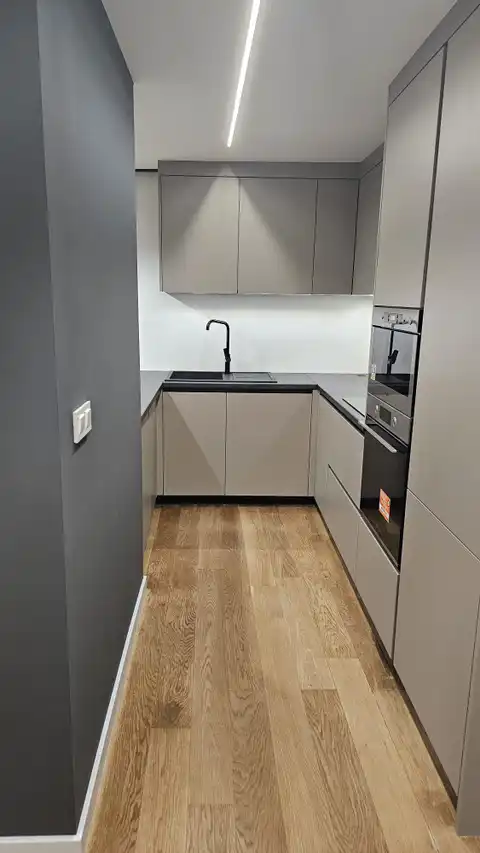
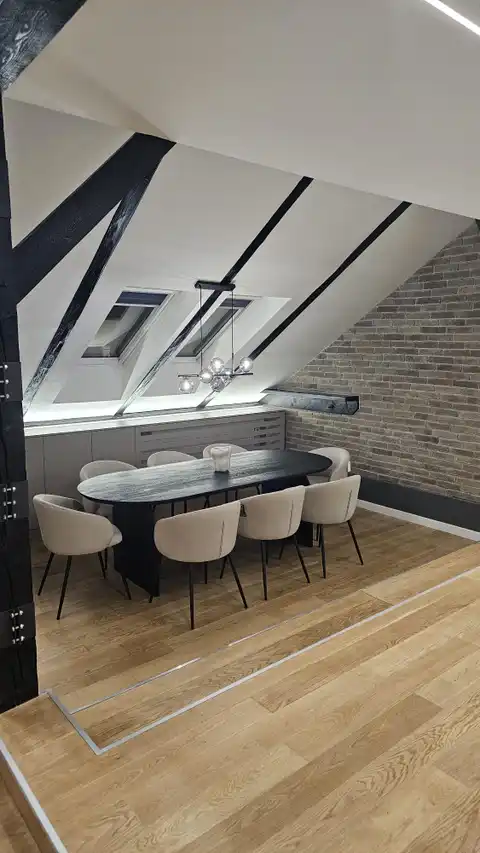
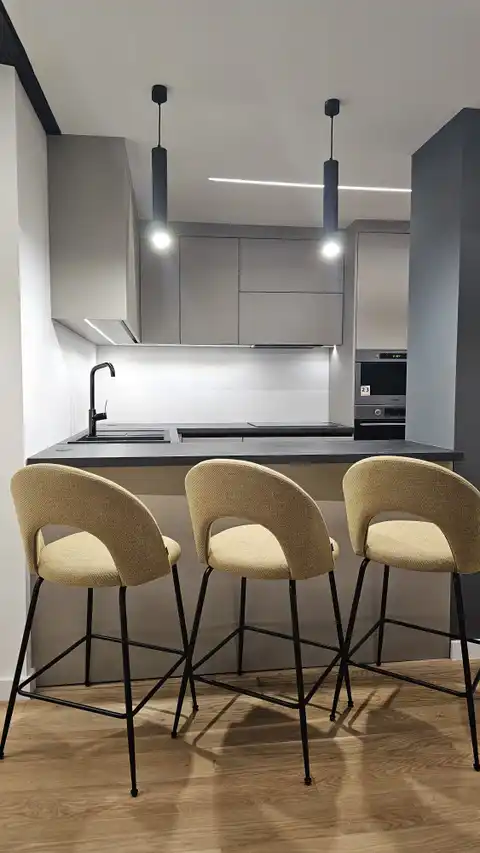
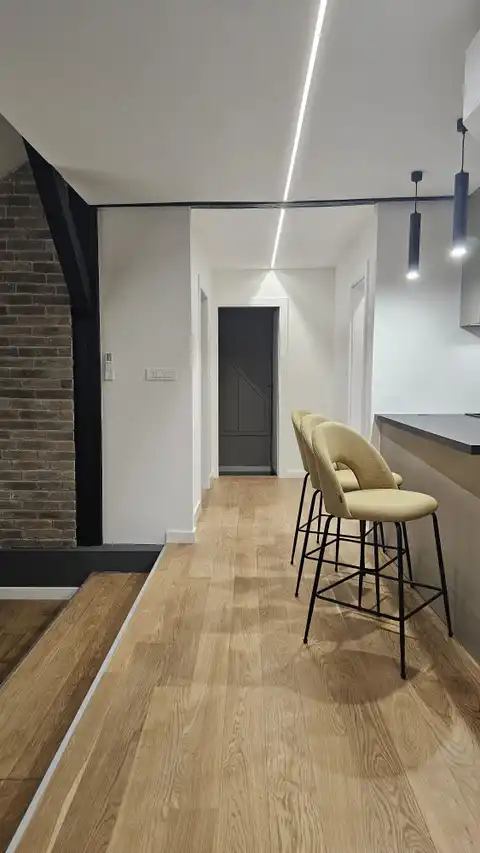
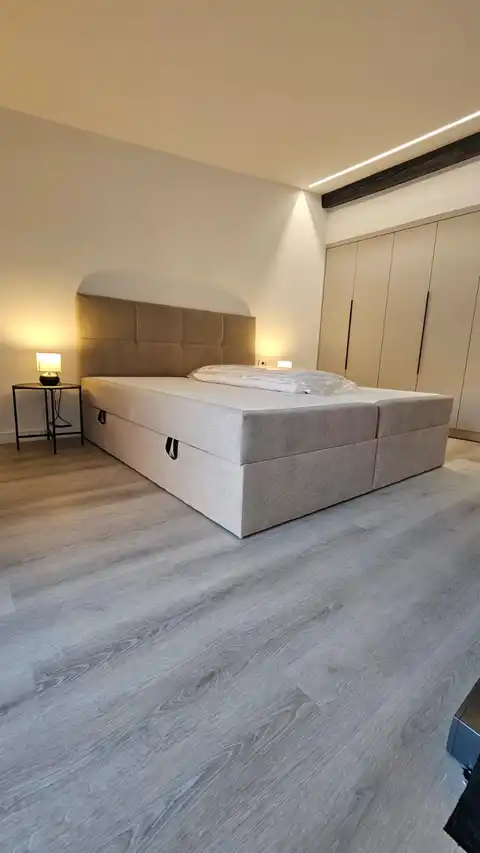
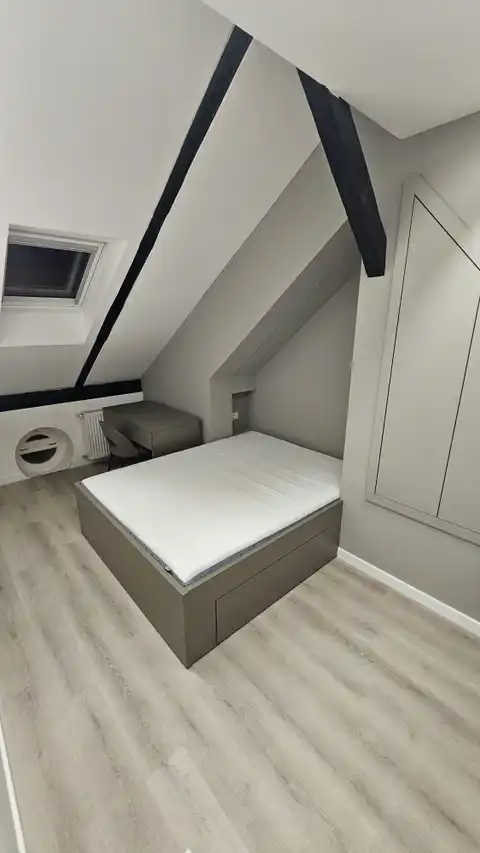
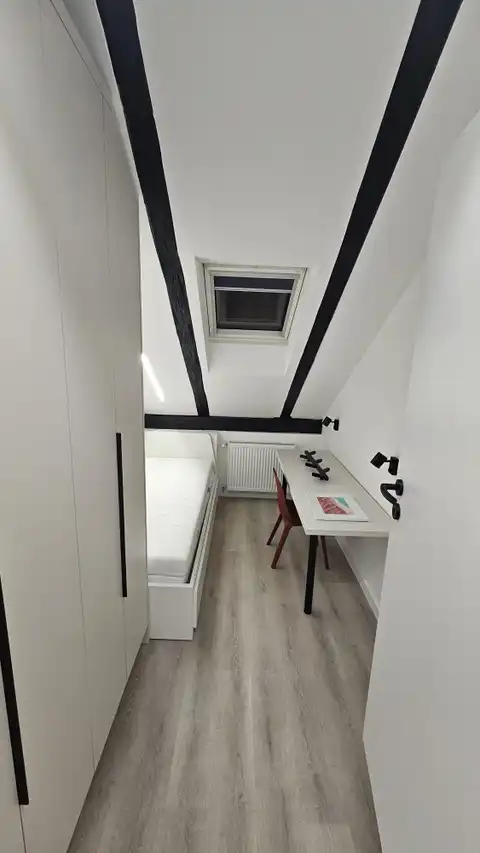
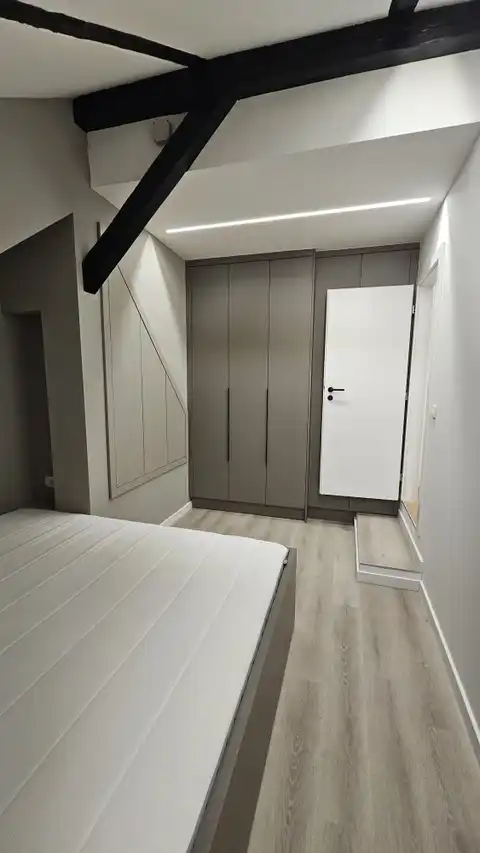
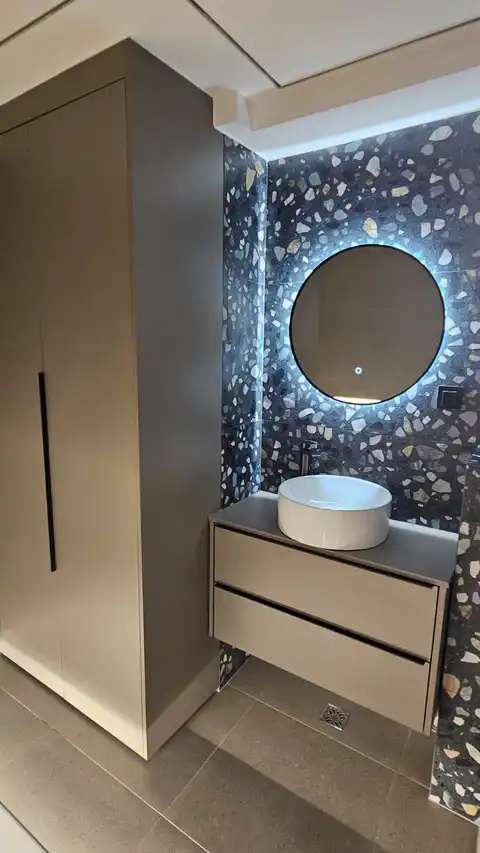

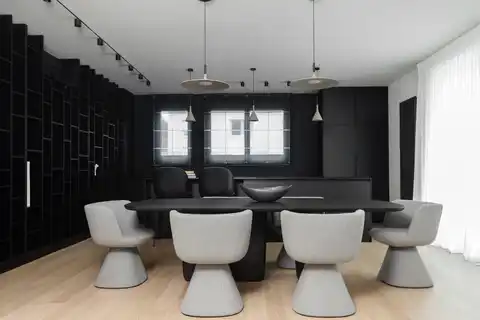
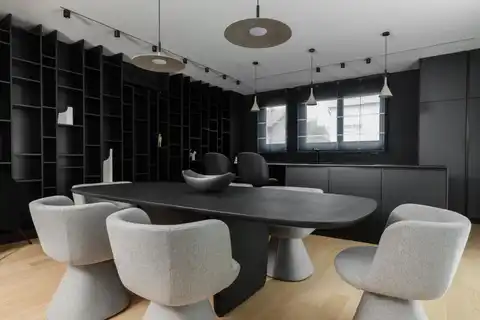
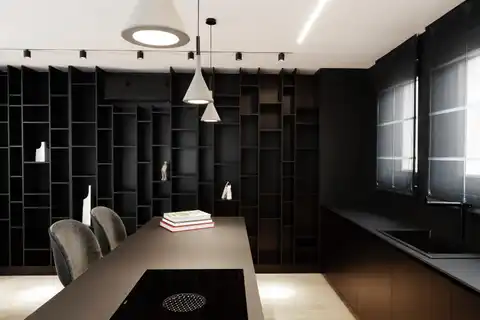


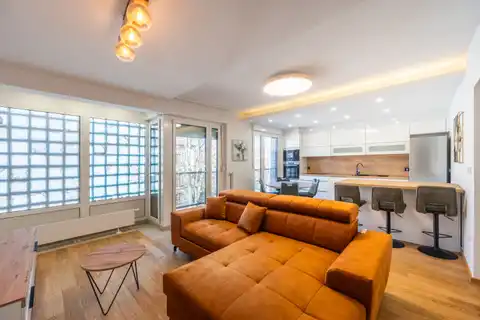
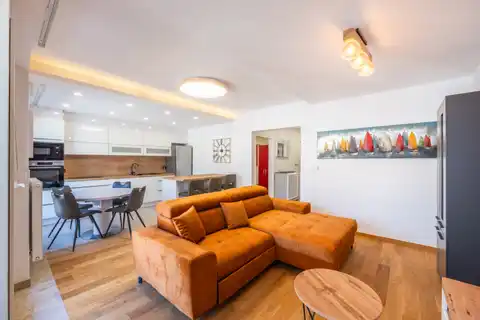
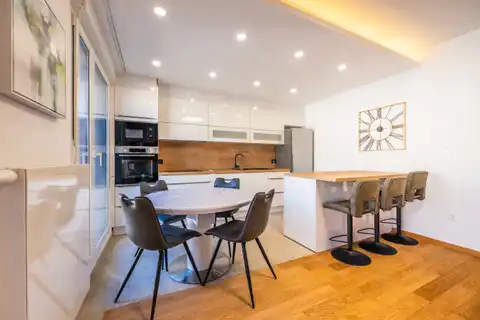
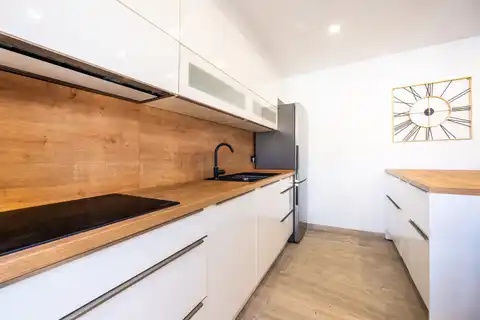
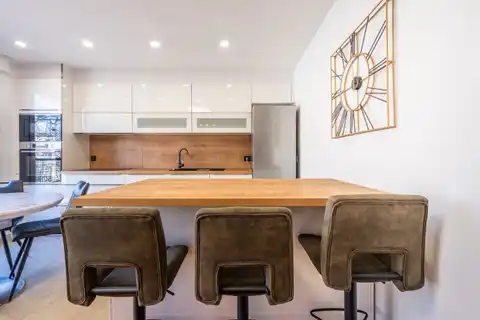
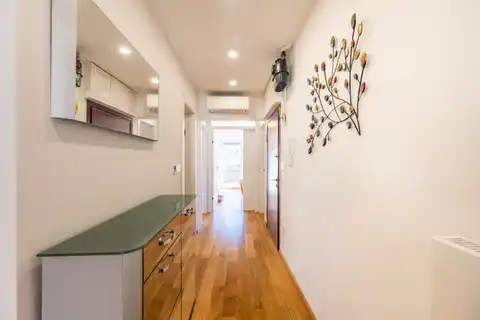
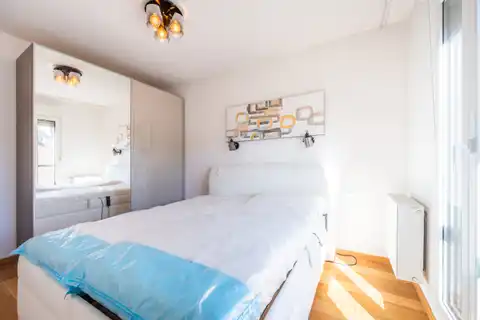
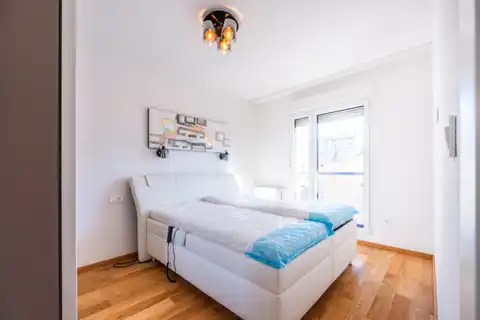
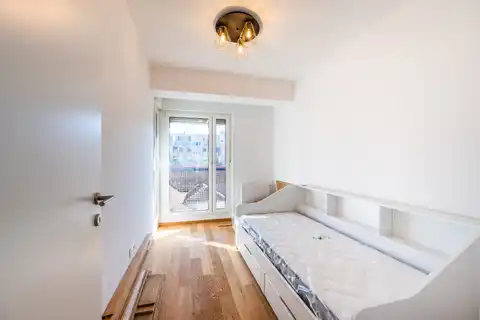
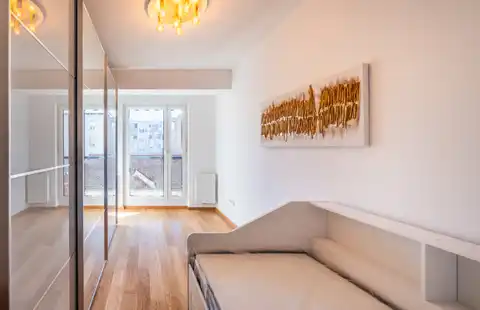
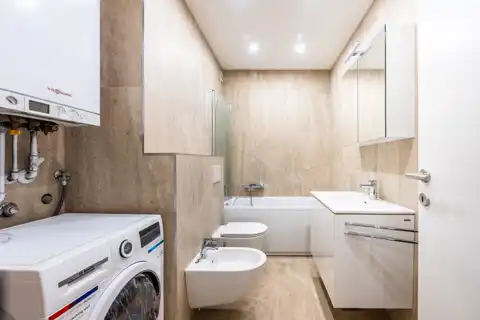
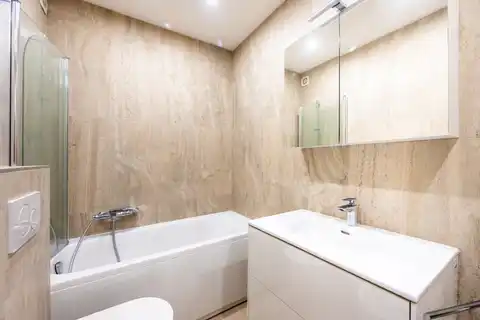
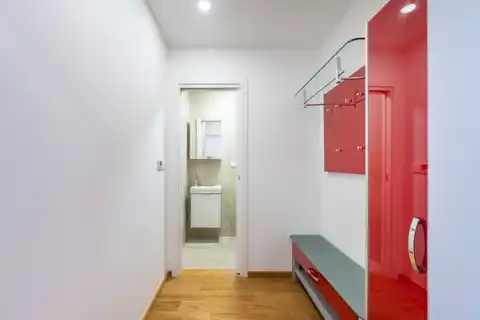

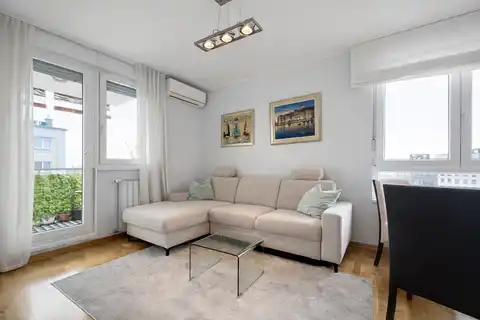
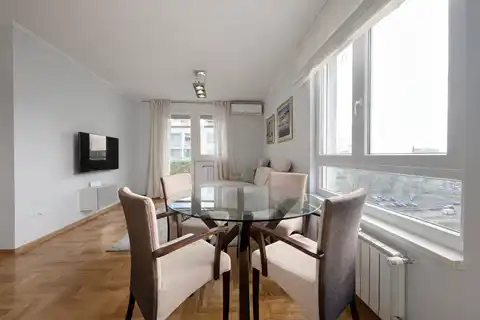
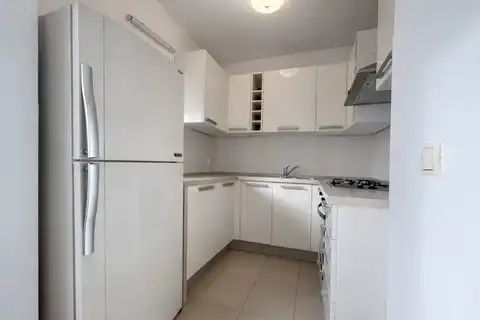
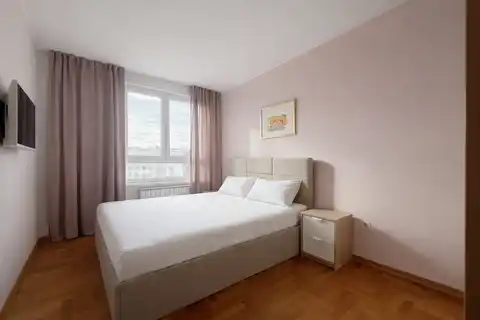
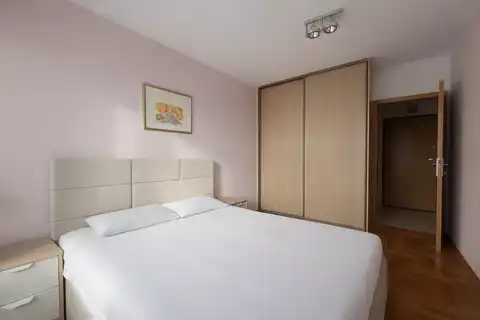
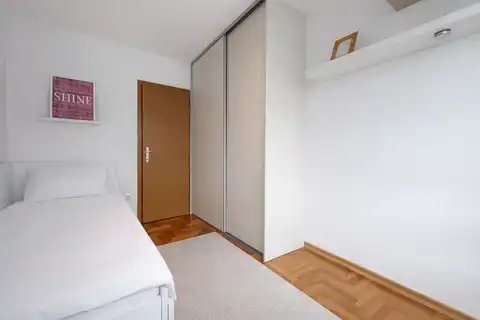
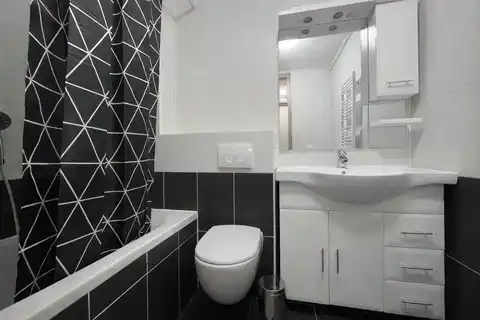
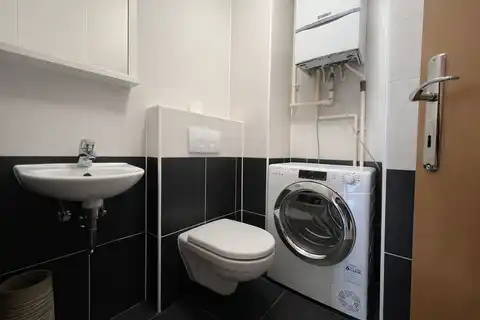
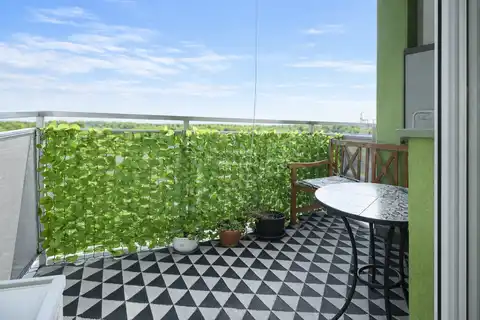
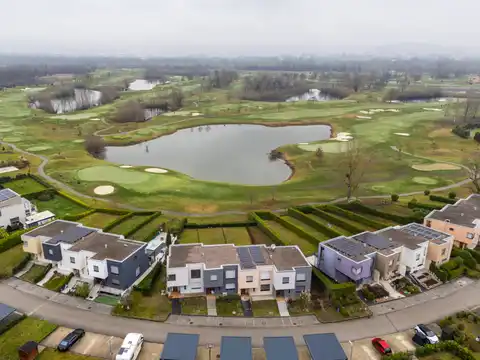
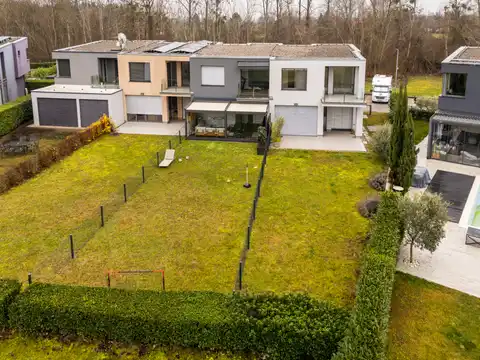
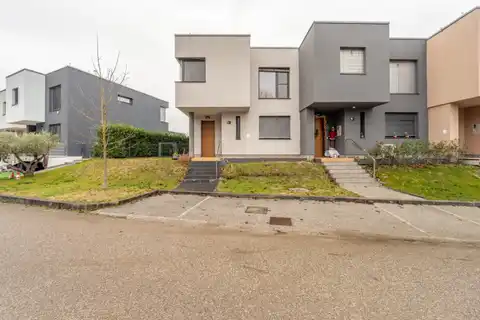
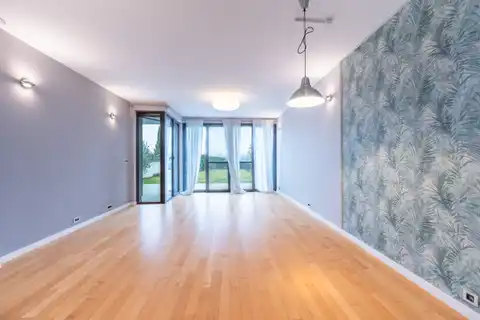
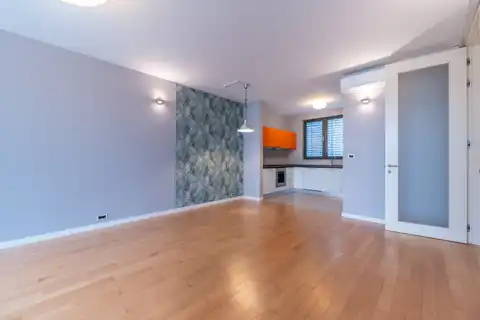
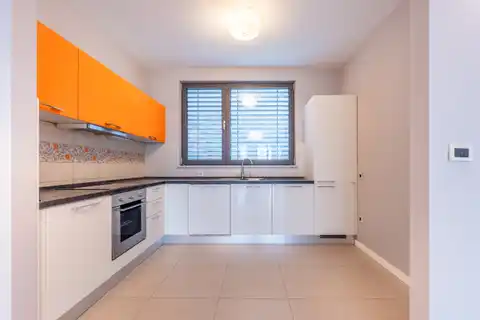
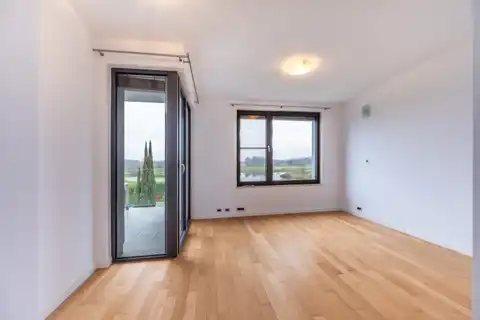
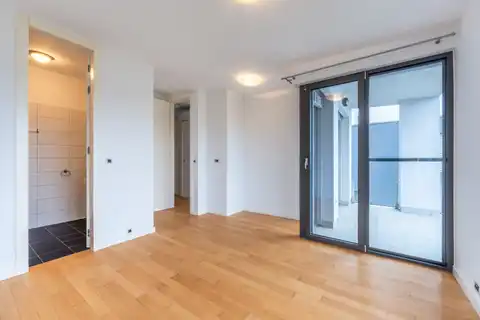
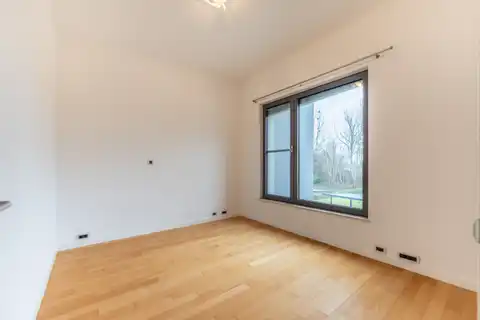
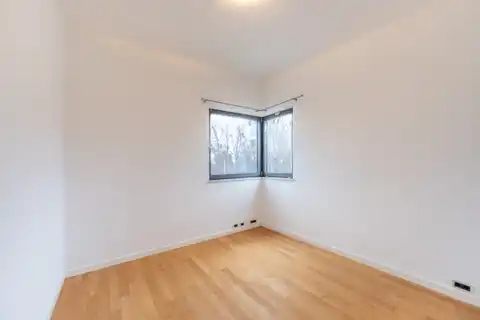
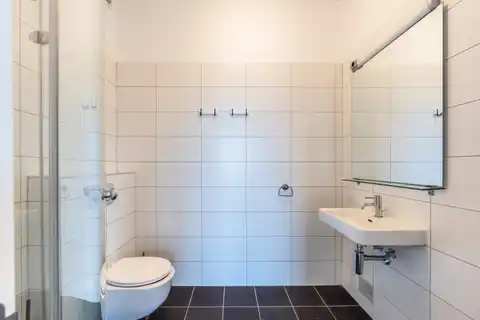
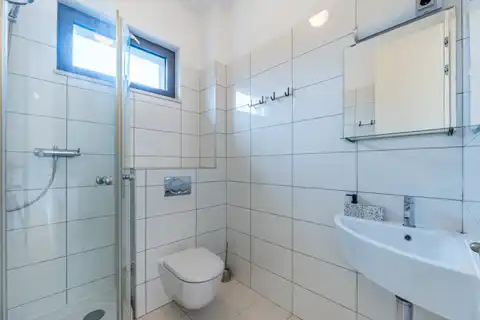

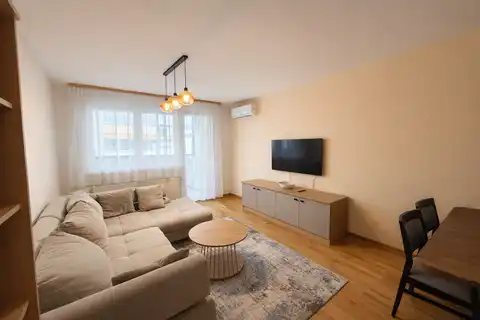
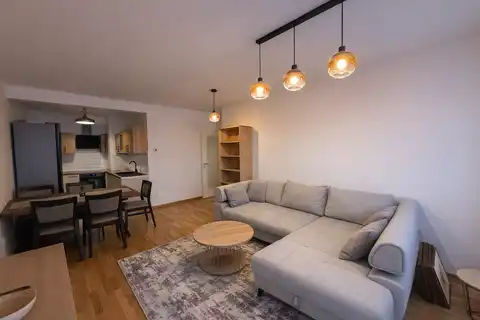
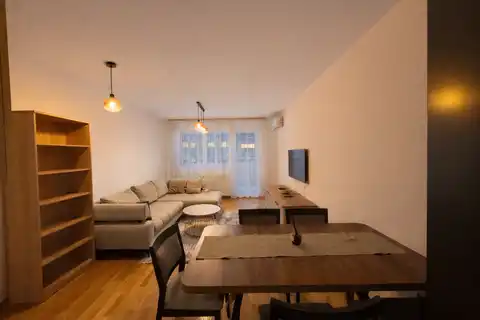
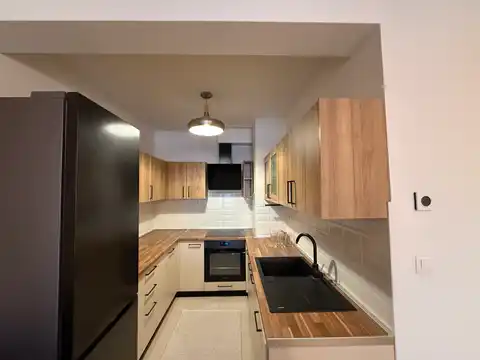
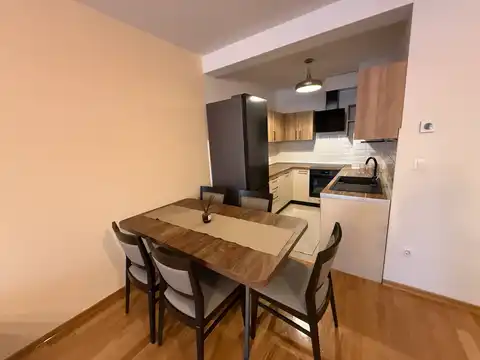
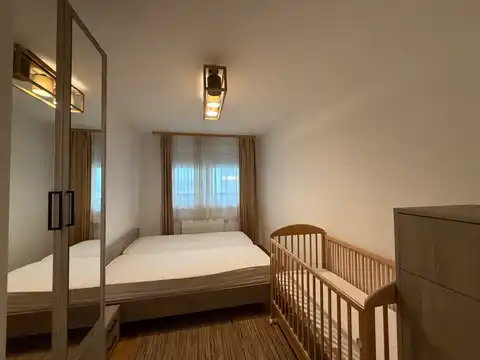
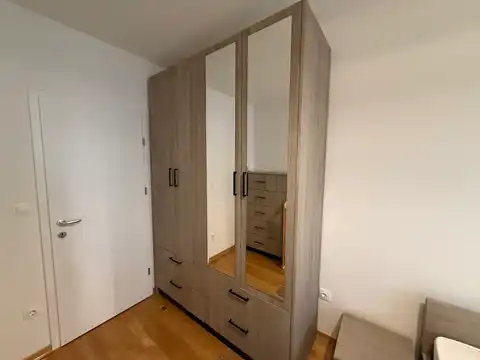
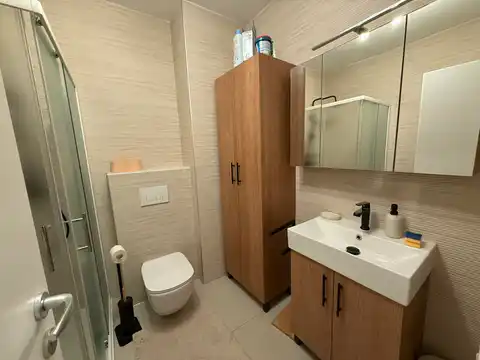
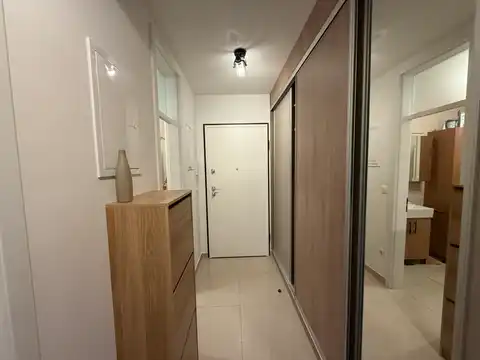
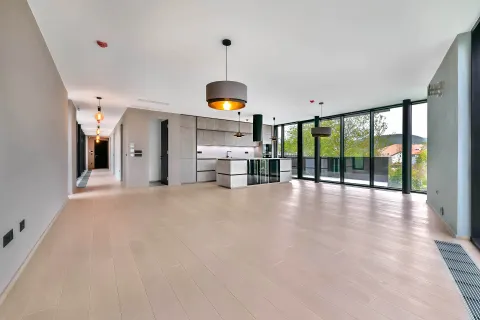
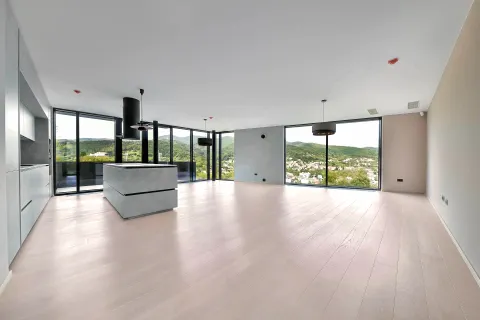
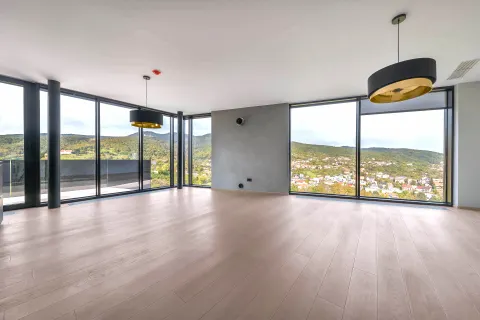
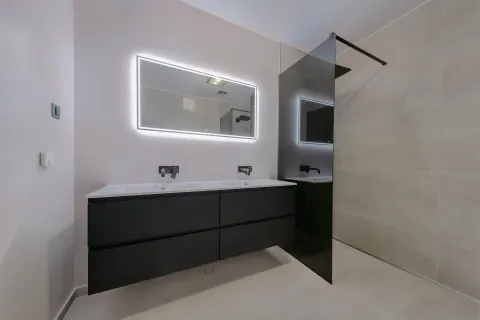
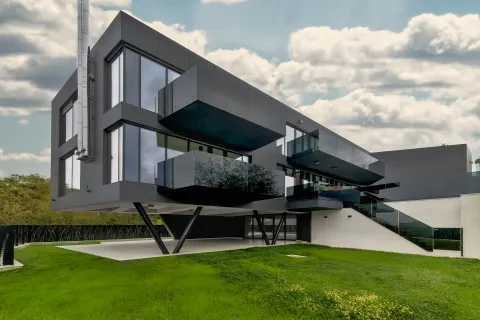
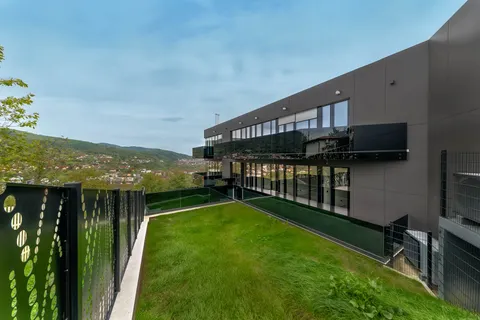
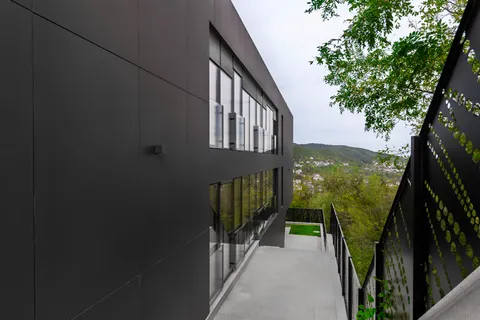
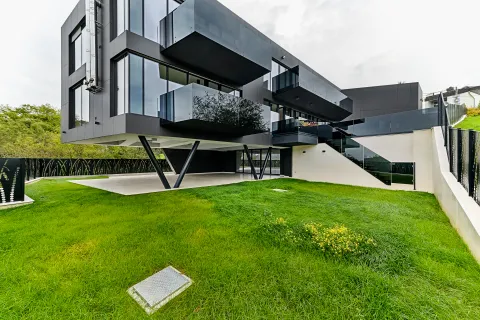
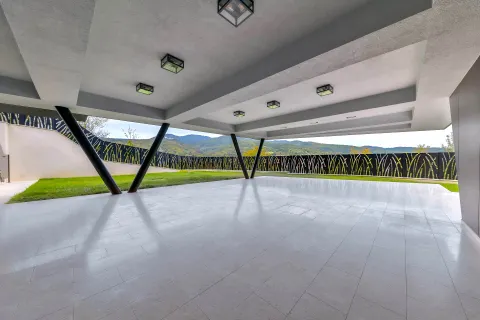
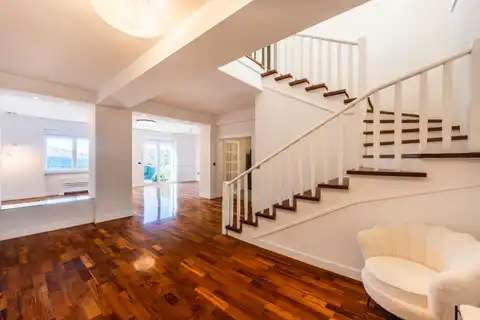

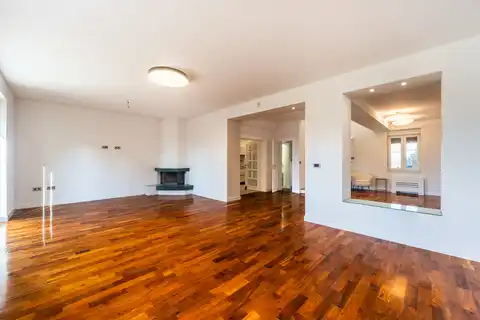
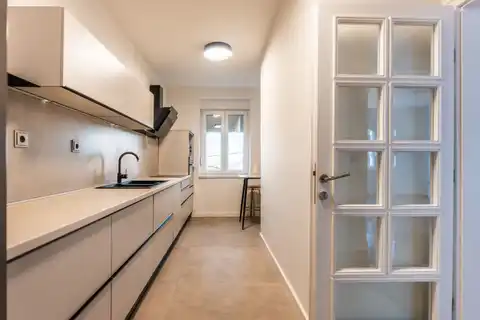
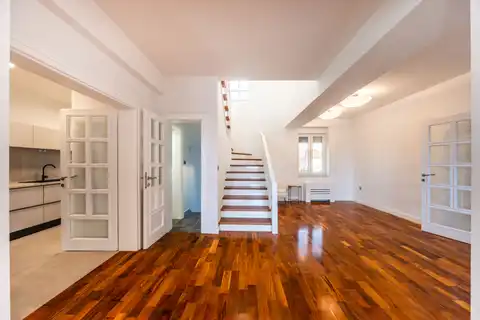
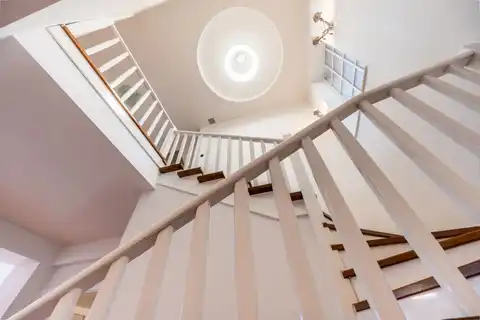
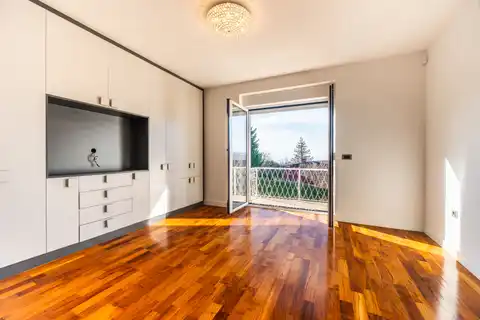


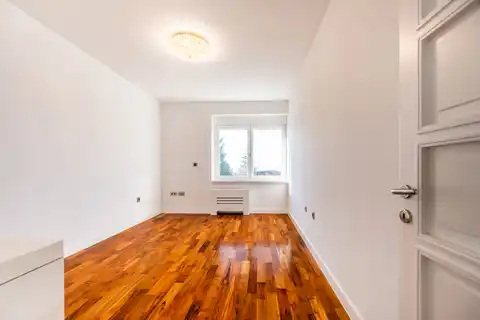
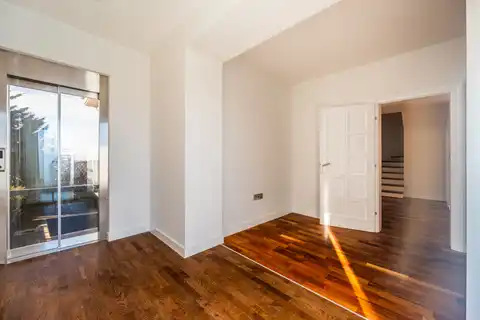

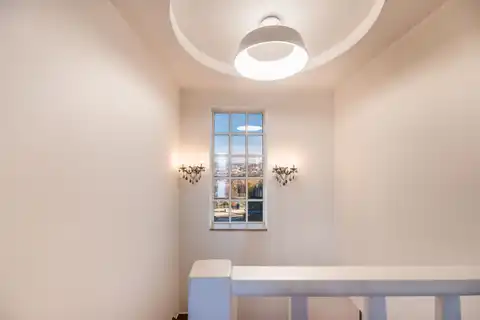
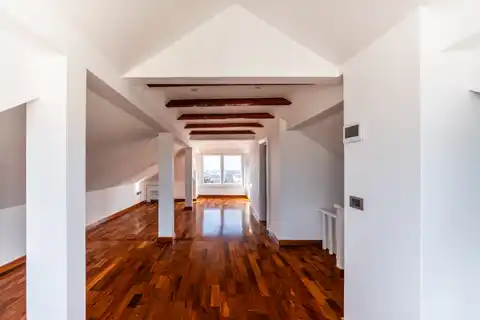
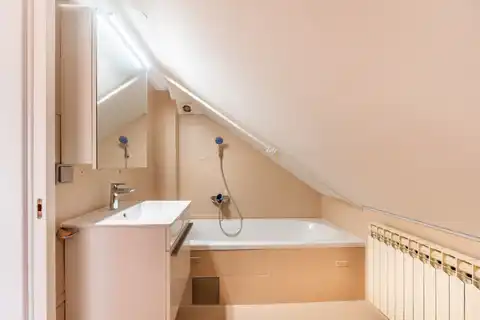
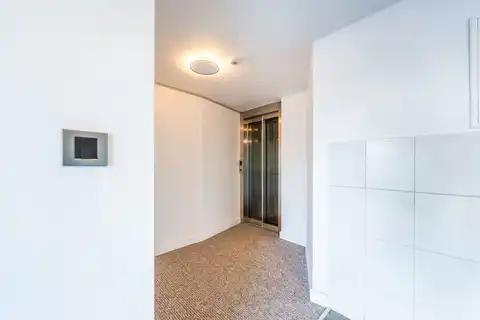
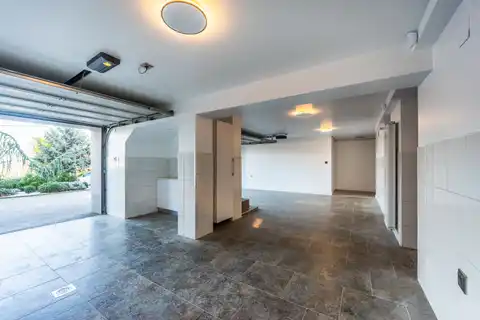

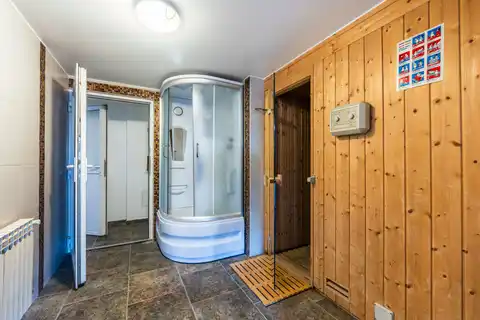

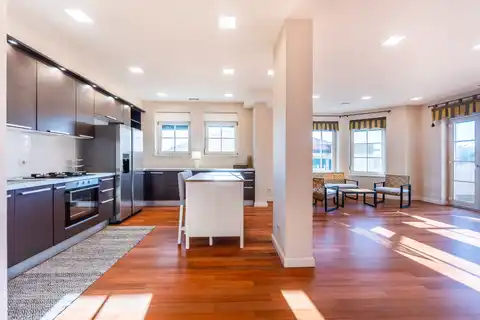
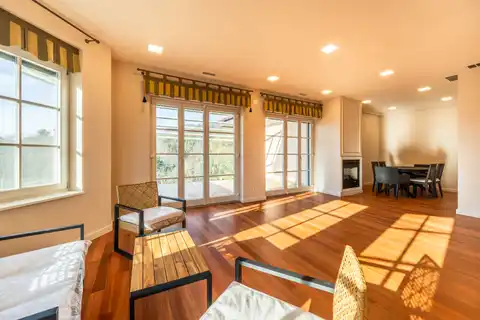

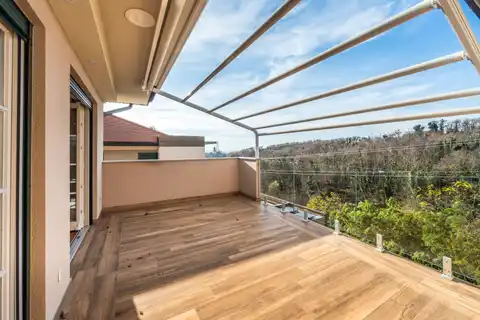

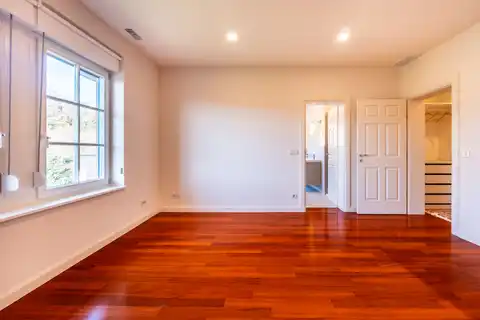


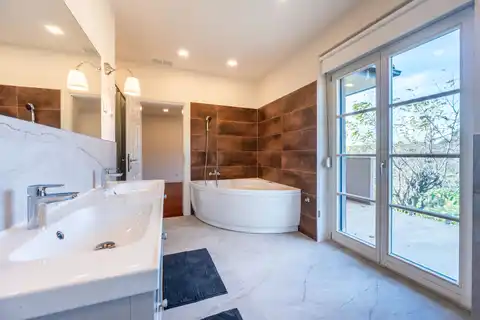
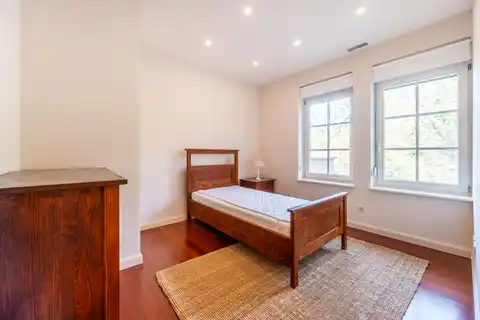
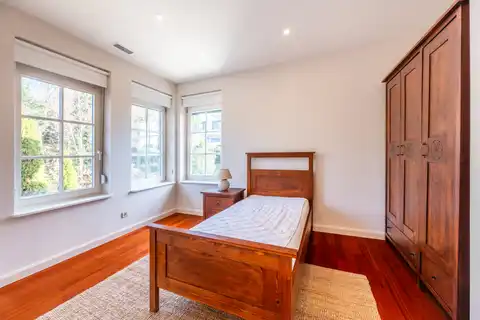
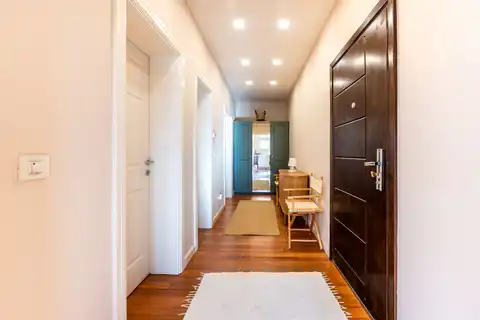
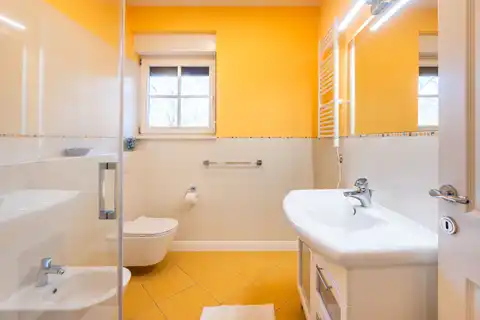
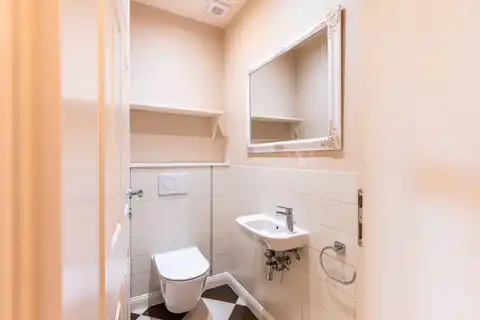
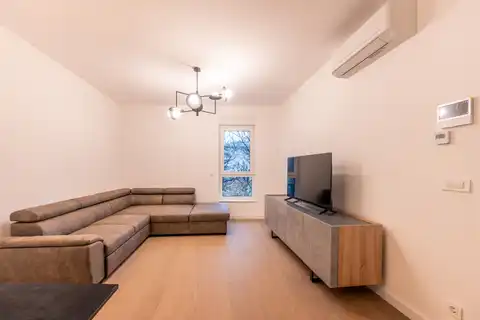
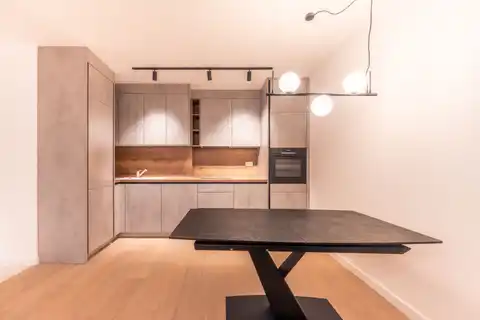
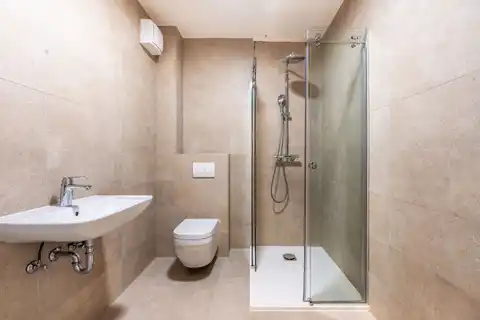
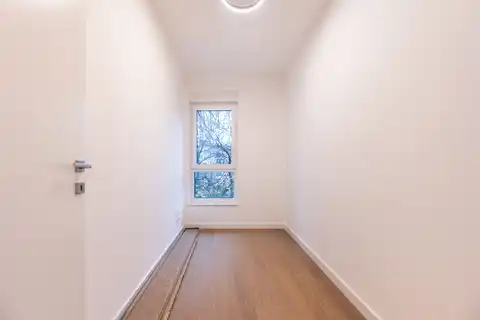
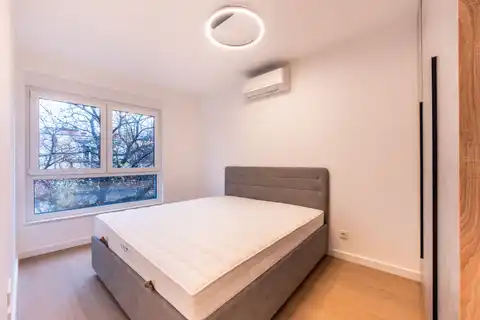
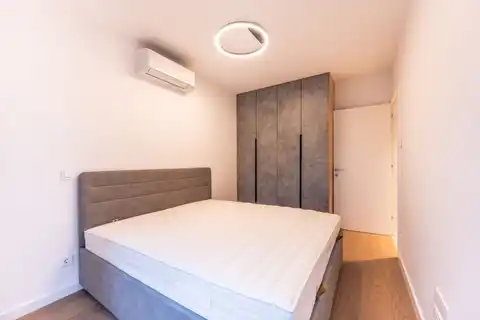
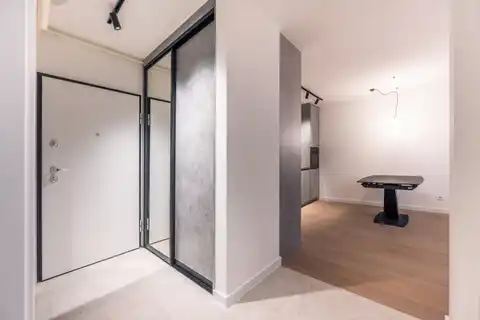
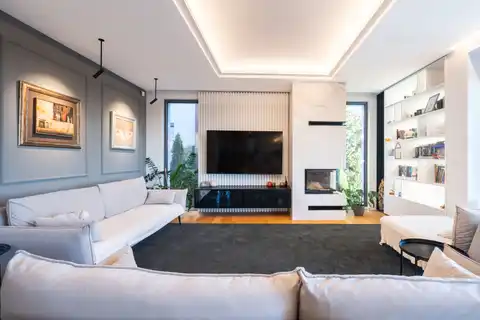
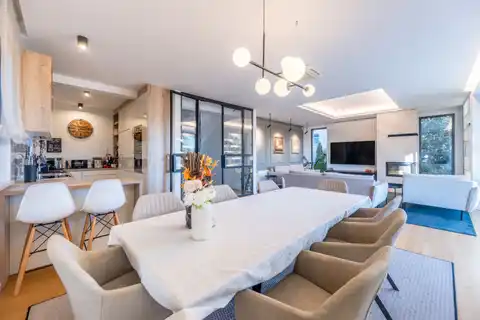
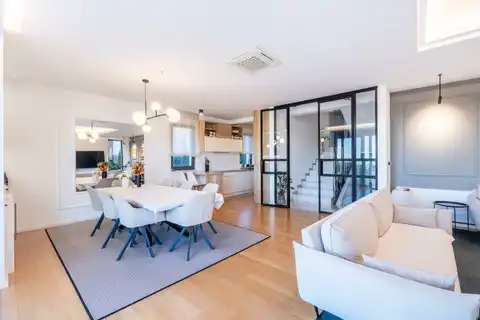
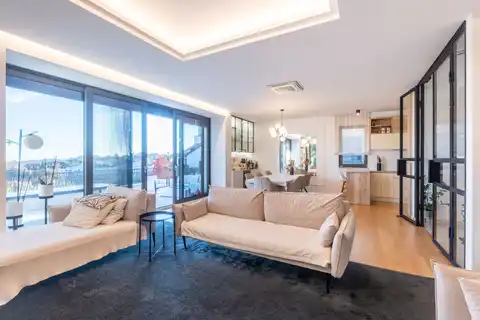
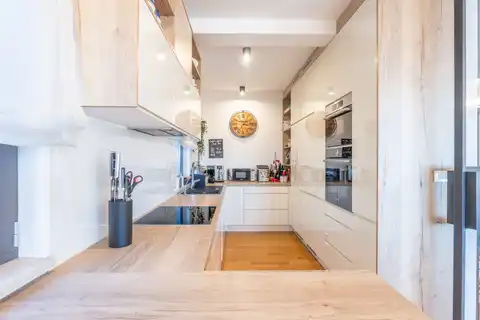
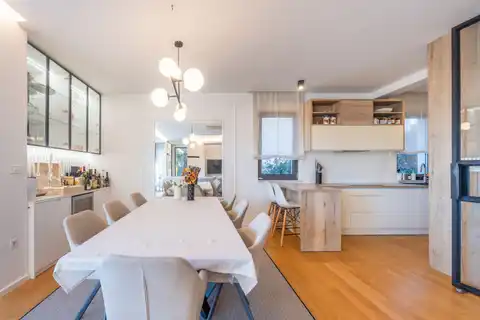
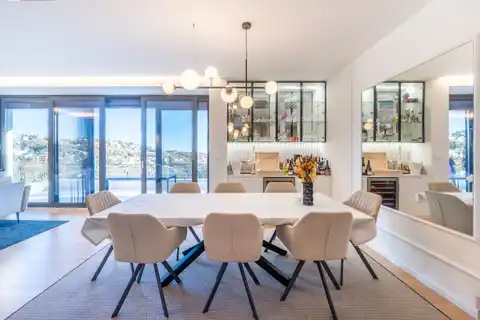
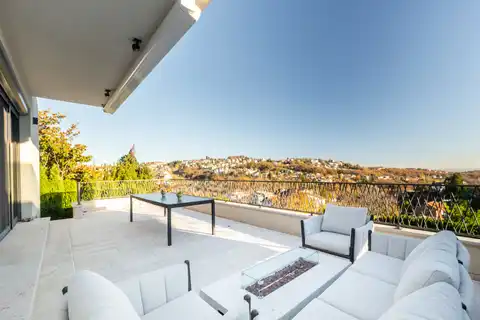
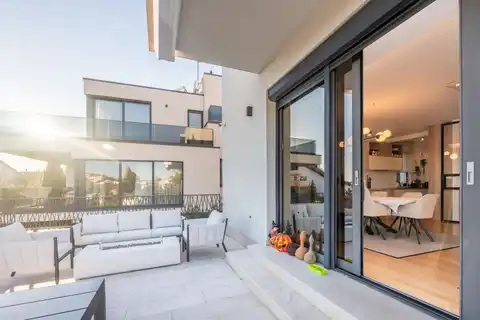
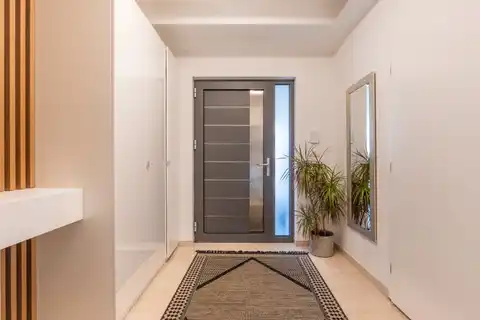
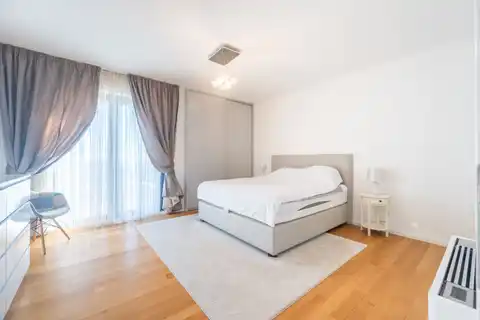
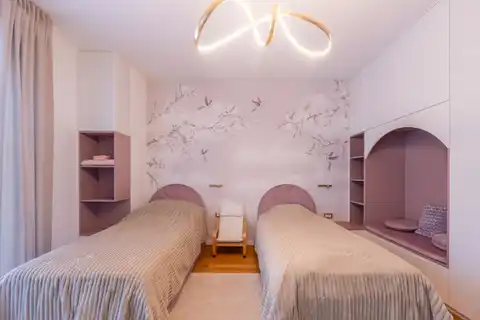
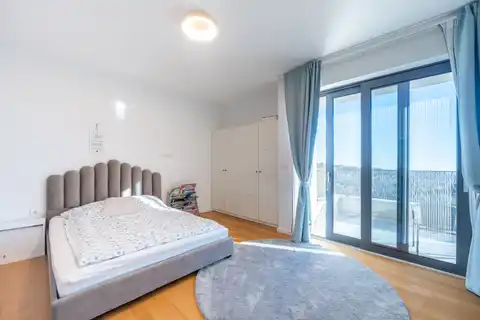
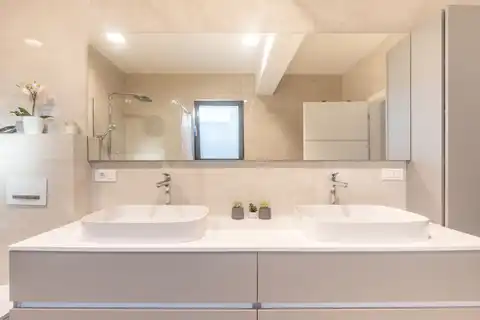
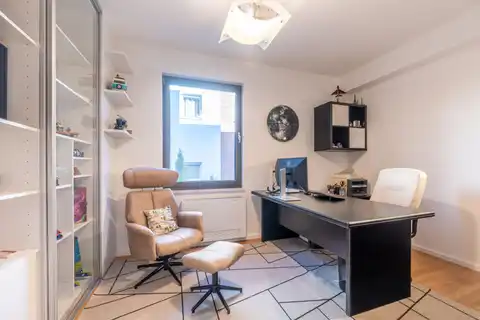
Explore more locations
Popular locations
Explore the most popular searches among our users and discover attractive properties in the most desirable locations. Here you will find properties that are currently in focus and attract the most attention from buyers.
Popular searches
Popular locations
Properties Zagreb Properties Split Properties Zadar Properties Dubrovnik Properties Pula Properties Šibenik Properties Makarska Properties TrogirPopular categories
Apartments for sale Houses for sale Villas for sale Apartment units for sale Apartments for rent Houses for rent Villas for rent Building lands Agricultural lands Business premises Luxury propertiesCategories by location
Apartments Zagreb Apartments Split Houses Zadar Villas Hvar Houses Zagreb Houses Split Houses Dubrovnik Villas BračPopular locations
Properties Zagreb Properties Split Properties ZadarPopular categories
Apartments for sale Houses for sale Villas for sale Apartment units for saleExpanded search
Apartments sale Zagreb Properties sale Zagreb Properties sale Split Properties sale IstraNeed help finding a rental property? We're here for you.
Whether you're looking for an apartment to live in or a commercial space for your business – our team of experts will help you find the best rental property, according to your needs and budget.
Fill out the contact form and let us know what you're looking for – we'll get back to you as soon as possible with a personalized offer and non-binding advice.