Summary
Boutique new developments are increasingly sought after because they offer buyers a smaller number of apartments, more privacy, a quieter environment, and a clearer sense of living quality. Unlike large complexes, smaller projects often have better integration with their location, more functional floor plans, larger terraces, garages, storage units, and more carefully selected materials. Buyers choose them because they want an apartment that offers not just new construction, but also a higher standard of everyday life. However, before purchasing, it is important to check the documentation, technical specifications, construction deadlines, parking, common costs, and the actual quality of execution.
Key facts
- Boutique new builds refer to smaller residential projects with a limited number of apartments, a clearer concept, and a greater emphasis on privacy, functionality, and quality of living. Buyers are increasingly choosing them because they offer a quieter environment, fewer neighbors, simpler use of common areas, and a more personal sense of living. Smaller projects often allow for better connection to the location, more carefully designed floor plans, larger terraces, gardens, garage spaces, and higher quality common amenities. Boutique new construction does not automatically mean higher quality — before purchasing, it is necessary to check the investor, documentation, technical description, construction deadlines, and terms of sale. In such projects, details such as apartment orientation, privacy of outdoor space, quality of joinery, insulation, heating, and cooling are particularly important. A smaller number of apartments can mean greater privacy, but also higher common costs per apartment if the building has an elevator, garage, swimming pool, video surveillance, or landscaped common areas. For investors, boutique new builds can be interesting because they stand out more easily in the market, especially if they have a good location, terrace, view, garage, and quality equipment.
Boutique new builds are an increasingly sought-after segment in the real estate market in Croatia because they offer buyers a smaller number of apartments, more privacy, and a feeling of living in a quieter environment.
In the last few years, buyers of new builds have been increasingly comparing large residential complexes with smaller projects that have a limited number of units, higher quality common areas, and a more clearly defined target group. Such projects are particularly interesting to buyers who are not just looking for a new apartment, but also a better daily standard: fewer neighbors, simpler communication, a functional floor plan, a garage, an elevator, a terrace, a garden, or a view.
In this guide, we explain what a boutique new build means, why such projects attract buyers, what their advantages and limitations are, and what to pay attention to before buying an apartment in a smaller new build.
Contents
- What is a boutique new build
- Why buyers choose smaller projects
- Privacy, peace, and fewer tenants
- Construction quality and better control of details
- Location and architecture as a key advantage
- Advantages for investors and buy-to-let purchasers
- Potential risks of smaller new builds
- What to look out for before buying
- How Regent can help you
- Frequently asked questions
- Recommended
What is a boutique new build
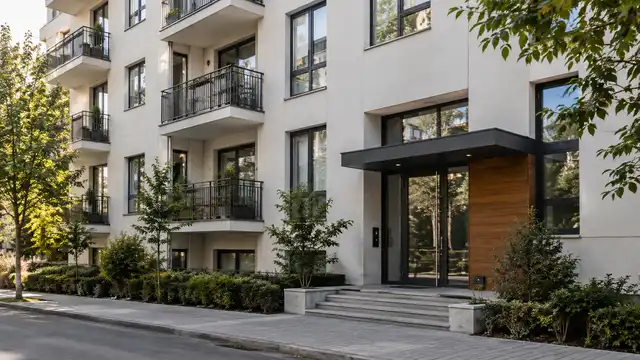
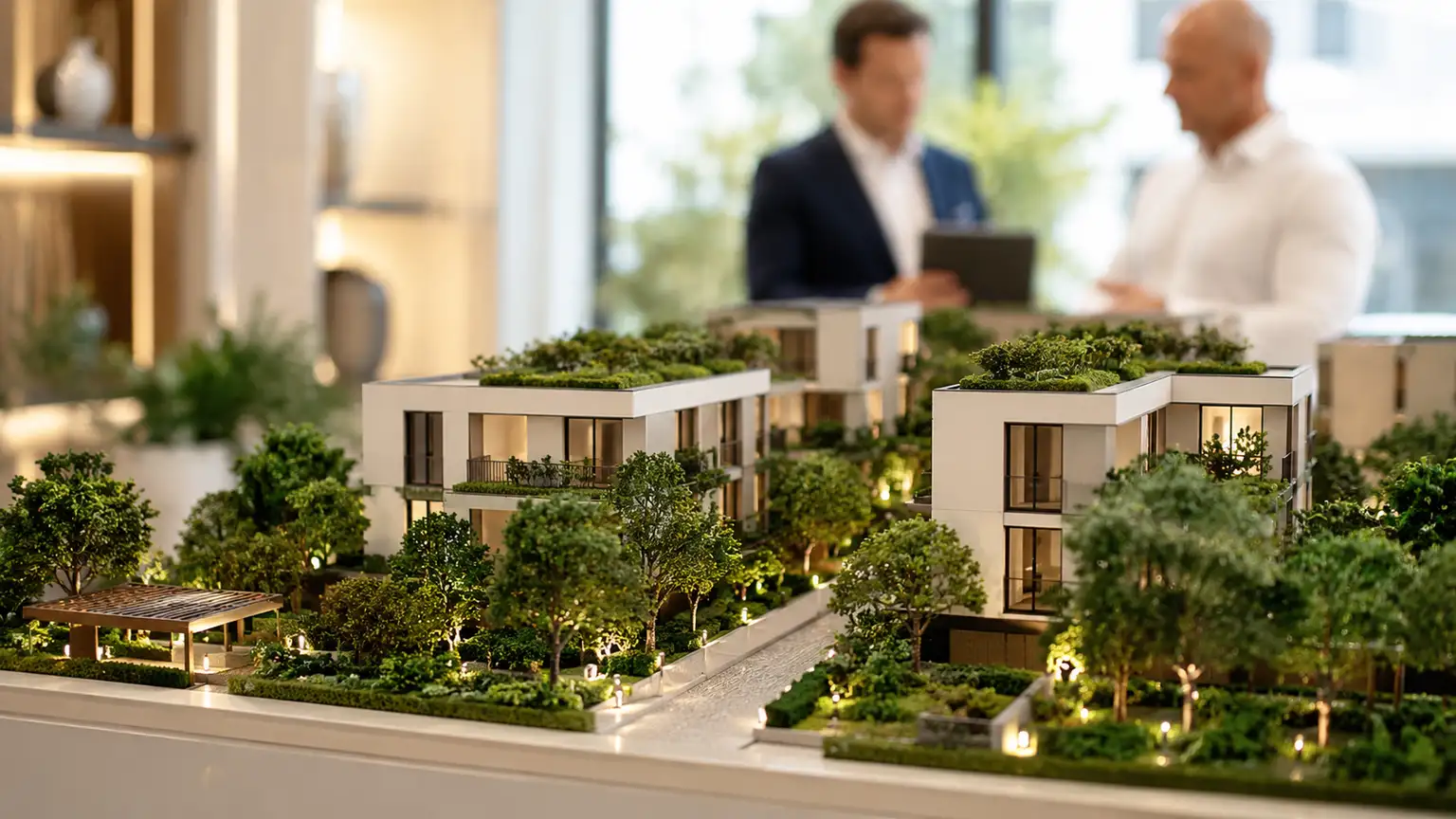
A boutique new build refers to a smaller residential project with a limited number of apartments, a more carefully designed concept, and a clearer building identity. Most often, these are buildings with a few apartments, smaller urban projects, coastal apartment projects, smaller multi-unit villas, or new builds that target buyers looking for a higher level of privacy and comfort.
Unlike large residential complexes, a boutique project typically does not have a large number of entrances, many floors, or a large number of neighbors. Buyers often perceive it as more personal because it's easier to understand the building's layout, the number of apartments, common areas, parking, and the structure of future residents.
It is important to emphasize that a boutique new build does not automatically mean a more expensive or higher quality property. A smaller project can be very well executed, but it can also have limitations if the investor is not experienced enough, if the documentation is not clear, or if the execution does not meet expectations. That is why the buyer must evaluate the project based on actual parameters, not just the name.
Professional advice: When it comes to boutique new builds, don't be guided solely by the impression of a "smaller and more intimate project." Check the number of apartments, the number of floors, parking, storage units, common costs, execution quality, and documentation.
Why buyers choose smaller projects
Buyers are increasingly paying attention to the quality of living, not just the square footage. Smaller projects often offer a sense of better control over the space and daily life in the building. When a building has a smaller number of apartments, it's easier for the buyer to imagine what daily life will be like: who uses the common areas, how much traffic there will be in the entrance, how parking will function, and how much the building will be burdened over the years.
For family buyers, peace, security, and functionality are important. For buyers looking for a second home or a property on the coast, privacy, a terrace, a view, and a smaller number of users in the building are important. For investors, differentiation is key — a smaller project with a good layout and a quality location often stands out more easily in the offer.
A boutique new build can also seem more convincing to buyers who don't want the feel of a large complex. Such buyers often look for an apartment with character, better connection to the location, and a higher level of privacy, especially if it's a premium or coastal market.
Privacy, peace, and fewer tenants
One of the main advantages of smaller projects is privacy. A smaller number of apartments means less movement through common areas, less load on the elevator, garage, staircase, and entrance, and simpler daily organization.
For buyers coming from larger buildings or busy urban areas, this can be a very important factor. A building with four, six, or ten apartments has a different dynamic than a building with fifty or more units. Communication among tenants is often simpler, and maintenance decisions can be made faster, although this depends on the co-owner structure and building management.
Privacy is especially important for apartments with gardens, larger terraces, rooftop terraces, or pools. In smaller projects, it is easier to achieve a good balance between indoor and outdoor space, and buyers often feel they are buying "more than an apartment" — they are buying a quieter lifestyle.
Professional advice: If you are buying an apartment with a terrace, garden, or rooftop area, check how private that space truly is. The relationship to neighboring apartments, the street, parking, and surrounding buildings is important.
Construction quality and better control of details
Smaller projects often allow for greater attention to detail, but this is not a rule. When an investor builds a smaller building, it is easier to personalize certain elements, carefully select finishing materials, and better monitor the execution. Buyers sometimes have the opportunity to get involved earlier in the selection of ceramics, parquet, sanitary ware, or specific installation solutions, especially if they buy in an early stage of construction.
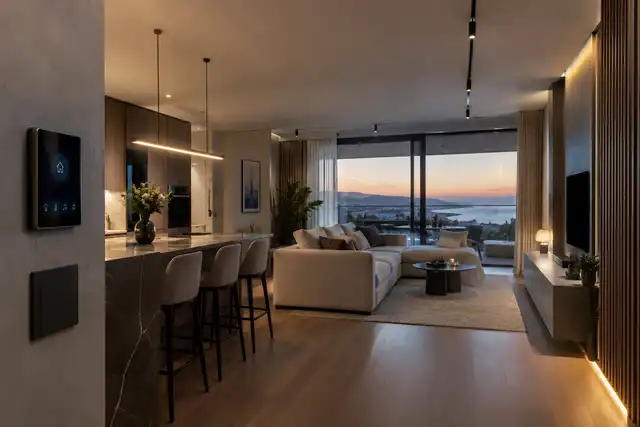
For quality boutique projects, common expectations include: garage parking spaces, storage units, an elevator, larger terraces, quality carpentry, an energy-efficient heating and cooling system, good sound insulation, and well-thought-out floor plans. Buyers are increasingly asking for technical specifications because they understand that a new build is not just a new facade, but a complete living system.
However, buyers must distinguish a good smaller project from one that is merely marketed as boutique. Quality is not only seen in renders. It is checked through documentation, execution, investor reputation, supervision, materials, deadlines, and clear contractual obligations.
Professional advice: Before buying, request a technical description of the equipment. Pay special attention to carpentry, insulation, heating and cooling, floor coverings, ceramics, security doors, parking, storage units, and the planned energy class.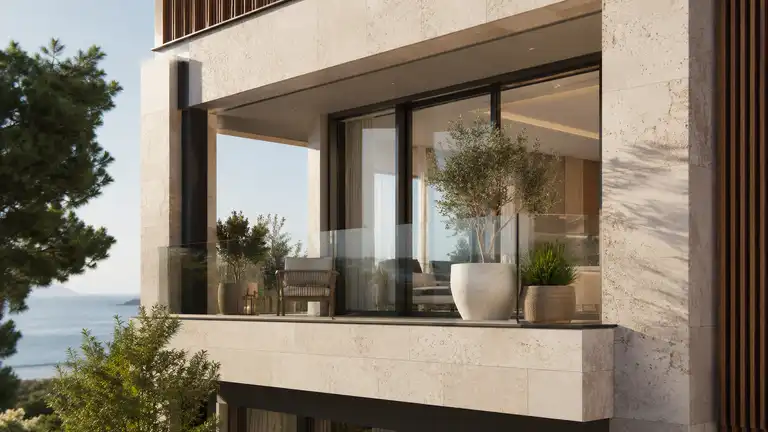
Location and architecture as a key advantage
Boutique new builds are often developed in locations where large projects are not possible or not desirable. These can be smaller plots in urban neighborhoods, quieter residential streets, coastal locations, slopes with views, settlements in Istria or Dalmatia, and areas where buyers rely more on the quality of the micro-location than on the size of the project itself.
In smaller projects, architecture plays a stronger role. A building with a few apartments must be well integrated into its surroundings because every decision is more clearly visible: the shape of the building, facade, openings, terraces, relationship to neighbors, and access. If the project is well designed, it can appear more harmonious and natural than a larger complex.
On the coast and islands, additional value is provided by the view, orientation, distance from the sea, beach access, garage or outdoor parking space, terrace, and privacy. In Zagreb and other larger cities, buyers often consider proximity to public transport, schools, kindergartens, shops, business zones, and parks.
Advantages for investors and buy-to-let purchasers
Boutique new builds can also be interesting for buyers who are thinking investment-wise. A smaller project in a good location can stand out more easily in the offer, especially if it has elements that tenants or guests immediately recognize: a garage, elevator, terrace, view, quality equipment, good floor plan, and a quieter location.
For long-term rentals, tenants usually look at functionality, utility costs, parking, connectivity to the city, and quality of living. For tourist or medium-term rentals on the coast, important factors are the terrace, view, proximity to the sea, design, privacy, and ease of space use.
However, investment profitability should not be assessed solely by the project's impression. It is necessary to analyze the purchase price, expected rent, seasonality, maintenance costs, tax treatment, furnishing, and actual occupancy. For new builds under construction, it is important to check deadlines and payment dynamics.
Professional advice: If you are buying an apartment in a boutique new build as an investment, calculate a conservative income scenario. Include furnishing, utilities, reserve fund, maintenance, taxes, potential vacant months, and management costs in your calculation.
Possible risks of smaller new builds
Smaller projects have numerous advantages, but also certain risks. The first risk is dependence on the investor. For a smaller project, it is very important who is building, what experience they have, and how transparent they are in communication. If the investor does not have clear deadlines, a technical description, or proper documentation, a smaller project can be just as risky as a large one.
The second risk is common costs. A smaller number of apartments means that certain maintenance costs are shared among fewer co-owners. If the building has an elevator, a garage, automatic doors, video surveillance systems, a swimming pool, or landscaped common areas, monthly costs per apartment can be higher than in a larger building.
The third risk is the limited availability of apartments within the project. In a smaller building, the buyer has fewer choices regarding the floor, orientation, square footage, and layout. If the best apartments are sold in the early stages, later buyers often choose among the remaining units, which may not have the best view, outdoor space, or layout.
The fourth risk is the possibility of changes during construction. For any new build, it is important to clearly understand what is included in the price, what is paid additionally, and whether there is a possibility of deviation from the project. Special attention should be paid to parking spaces, storage units, terrace areas, gardens, and the calculated area.
What to look out for before buying
Before buying an apartment in a boutique new build, the buyer should check the documentation, land ownership, building permit, validity of the permit if applicable, project plans, subdivision into separate units, payment dynamics, completion deadline, and contractual terms. If the project is in an early stage, it is important to understand when construction completion, technical inspection, and occupancy permit are expected.
It is also necessary to check what exactly is included in the price. For new builds, garage spaces, outdoor parking spaces, storage units, furniture, or certain equipment elements are often paid separately. The buyer must know whether they are buying an apartment based on net usable area, calculated area, or some other display model.
The floor plan is especially important. A smaller project does not automatically mean a better layout. A good apartment must have a logical entrance, sufficient storage space, a quality relationship between the living and sleeping zones, good orientation, and an outdoor space that can actually be used.
For coastal projects, check the distance from the sea, access road, terrain slope, view, parking, and seasonal dynamics of the location. For urban projects, traffic, noise, public transport, schools, kindergartens, shops, and availability of daily amenities are important.
Professional advice: Before making a decision, compare at least three projects of similar location and price. Do not compare only the price per m², but also parking, storage, terrace, orientation, completion deadline, equipment, and quality of the micro-location.
How Regent can help you
Regent Real Estate can help buyers assess the true value of a boutique new build by comparing location, price, layout, equipment, documentation, and market potential. For smaller projects, it is important to recognize the difference between real quality and marketing impression.
We help buyers compare projects, understand what is included in the price, check key questions before buying, and choose a property that suits their lifestyle or investment goal. We can help sellers and investors properly position the project, prepare a quality presentation, and communicate the real advantages that buyers are looking for.
For new builds, we pay special attention to a clear presentation of areas, layouts, deadlines, parking, equipment, and location advantages, because an informed buyer makes decisions faster and more easily distinguishes a quality project from an average offer.
Frequently asked questions
What is a boutique new build?
A boutique new build is a smaller residential project with a limited number of apartments, a clearer concept, and often a greater emphasis on privacy, space quality, terraces, parking, and architecture.
Is a boutique new build always more expensive?
Not always. The price depends on the location, construction quality, equipment, view, parking, apartment size, and market demand. A smaller project can be more expensive per m², but this is not a rule.
Why do buyers like smaller projects?
Buyers like them because of the smaller number of tenants, greater privacy, quieter building dynamics, clearer project structure, and often a better sense of living compared to large residential complexes.
Are smaller projects of higher quality than large ones?
Not necessarily. Quality depends on the investor, designer, contractor, supervision, materials, and execution. A smaller project can allow for better control of details, but this should be checked through documentation and technical description.
What should you look out for when buying an apartment in a boutique new build?
You should check the building permit, ownership, deadlines, technical description, equipment, parking, storage, area calculation, common costs, subdivision into separate units, and the terms of the purchase agreement.
Are boutique new builds good for investment?
They can be, especially if they are in a quality location and have elements that the market demands: a terrace, garage, view, good layout, elevator, and low maintenance costs. Profitability should be assessed through realistic income and expenses.
Is it better to buy an apartment in a smaller or larger new build?
It depends on the buyer's needs. A smaller project can offer more privacy and a quieter atmosphere, while a larger project can have a wider offer of apartments, more amenities, and sometimes a lower price per m². It is important to compare the specific location, quality, and purchase conditions.
Recommended
The future of housing: 5 key trends in new builds in Croatia for 2026
Apartment orientation, floor and layout: what affects the quality of living and property price
Property inspection before purchase: legal check, technical assessment, and handover in Croatia
Energy class of property: what do the labels A–G mean and how do they affect value and costs?
Buying a home with a loan: a guide through costs, interest rates, and taxes