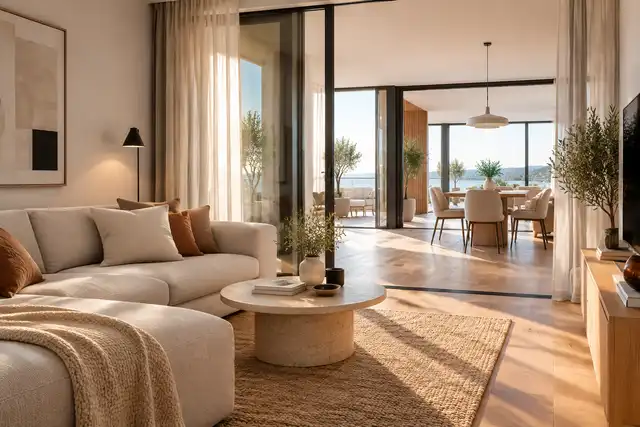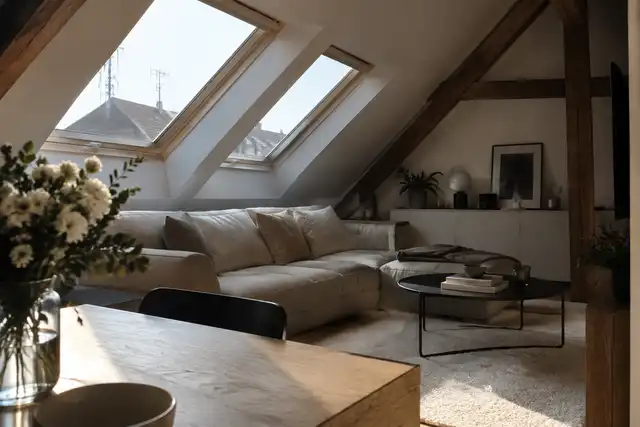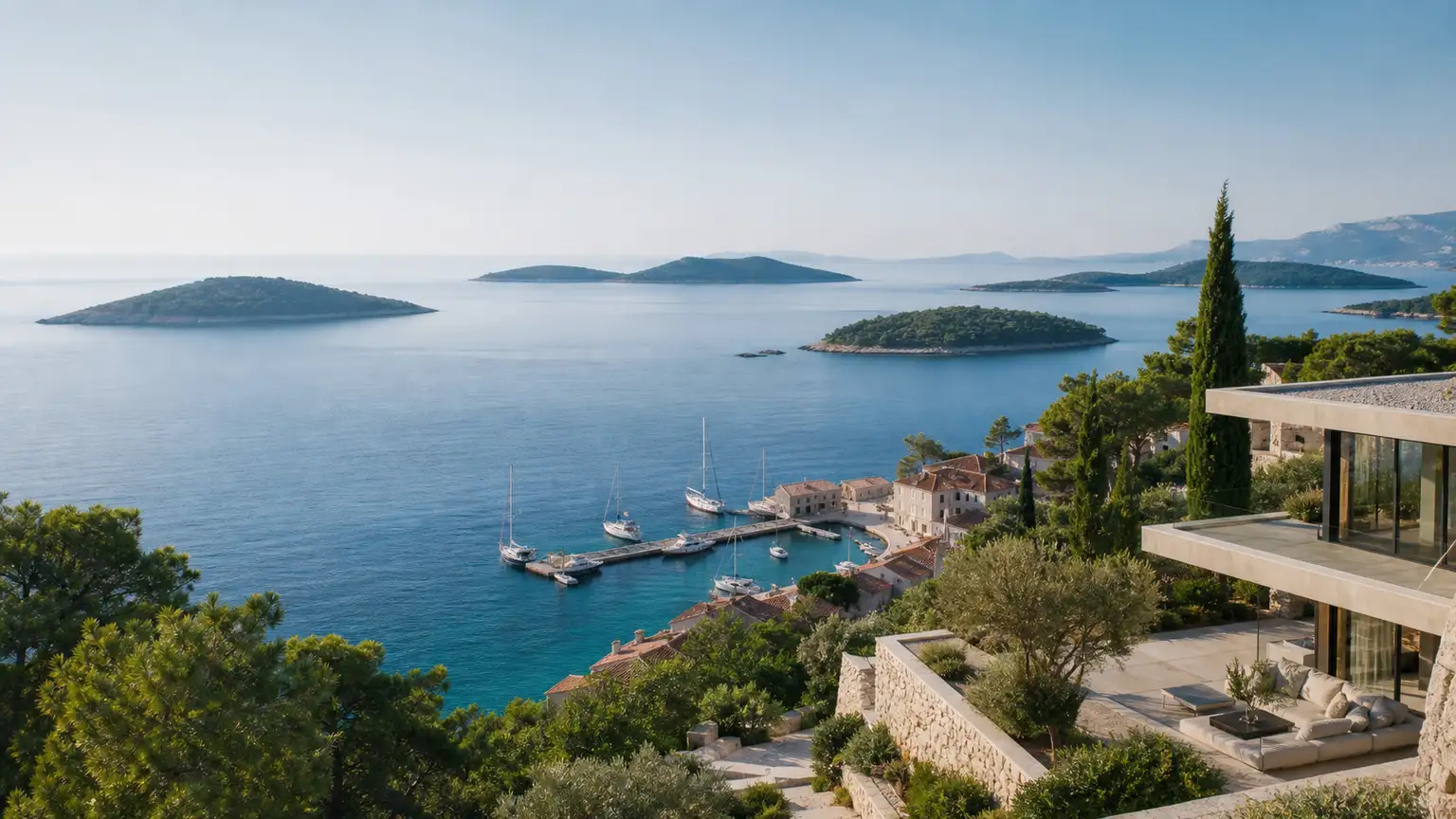
Until recently, in the perception of buyers, the Adriatic islands were primarily seasonal destinations — places for annual holidays, not for serious investments. This picture has been radically changing over the last few years. International buyers, investors, and affluent nomads have discovered the Dalmatian and Kvarner islands as destinations offering something that larger cities increasingly struggle to provide: peace, privacy, authenticity, and direct contact with nature. The result is a growing luxury segment of the island real estate market, with prices and an offer level increasingly reminiscent of established Mediterranean destinations.
TL;DR
The Adriatic islands are undergoing a structural transformation of their real estate market. Hvar has already established itself as a luxury destination of European standing. Lošinj is experiencing strong growth driven by wellness tourism and exclusive accommodation. Brač and Korčula are attracting an increasing number of foreign buyers with high purchasing power. Vis and Šolta remain less known to the market, but this is precisely what makes them attractive to those seeking discretion and long-term value.
The common denominator for all these destinations: limited supply of building land and growing demand — a combination that structurally supports real estate price growth.
A Shift Towards the Islands — Why Now?
The increased interest in real estate on Croatia's islands is neither accidental nor momentary. It is due to several simultaneous processes that have together changed the parameters of demand.
The 2020–2021 pandemic accelerated the trend of remote work and the reevaluation of life priorities, prompting some buyers to direct capital not towards apartments in city centers, but towards properties by the sea. Furthermore, after joining the eurozone and the Schengen area, Croatia became significantly more attractive to foreign buyers who had previously hesitated due to currency risk and more complex administrative procedures.
In addition, infrastructural development — the expansion of ferry line capacities, an increase in charter flights to smaller islands, and the development of nautical infrastructure — has shortened the effective distance between the islands and continental centers.
A buyer today considering a property on Hvar or Lošinj is not primarily thinking about isolation, but about selection: who has access to such a property and who can afford it.
Hvar — The Established Leader of Adriatic Luxury
By all indicators, Hvar is the most developed luxury market among the Adriatic islands. Hvar town, Milna, and the surrounding bays have long attracted buyers from the UK, Scandinavia, and German-speaking areas, and prices reflect this position. Quality villas with pools and sea views start from 1.5 million euros upwards, while exclusive properties on the first line to the sea or with exceptional architectural characteristics reach over 5 million euros. The price per square meter for quality residential properties ranges between 4,000 and 8,000 euros, depending on the location, condition, and architectural specifics.
What distinguishes Hvar from other islands is the developed accompanying luxury ecosystem — boutique hotels with international recognition, restaurants attracting gastronomic tourists, and nautical infrastructure accommodating high-end yachts. For a buyer looking for a luxury island home with a proven rental yield, Hvar offers the most organized market with the clearest data on utilization.
Lošinj — Wellness and Exclusivity in the Northern Adriatic
While Dalmatia has become synonymous with Adriatic exclusivity, Kvarner has undergone its transformation more quietly, but equally systematically. Lošinj — especially Mali and Veli Lošinj — is today one of the most recognizable wellness destinations in the Mediterranean, which directly reflects on the buyer structure. These are predominantly buyers who do not seek a busy tourist scene, but rather privacy, good air quality, and a neat small urban environment.
Real estate prices on Lošinj range between 3,500 and 6,500 euros per square meter for properties in good locations, with a tendency for growth in the segment of renovated old stone houses, which appear on the market significantly less frequently than on some southern islands. Renowned hotels and the development of wellness complexes on the island long-term raise the perceived value of the destination, which also filters down to the residential market segment.
Brač and Korčula — Rising Destinations
Brač is geographically closest to mainland Split, making it the most logistically accessible island for buyers who want to combine an island lifestyle with easy access to city amenities.
Bol — home to Zlatni Rat beach — remains the most attractive location, but Supetar, Pučišća, and the island's interior are also seeing increasing interest.
Prices on Brač range between 3,000 and 5,500 euros per square meter for residential properties in attractive locations, while lesser-known locations offer entry points from 2,000 to 3,000 euros.
Korčula is a special category.
Korčula Old Town — with its Venetian architecture, narrow white stone streets, and strong cultural identity — attracts buyers seeking authenticity rather than exclusively tourist content. Foreign transactions here account for an increasing share of total turnover, with a buyer profile that increasingly matches what is seen on Hvar. Average prices for quality properties range between 2,500 and 4,500 euros per square meter.
Vis and Šolta — Discrete Growth with Long-Term Potential
Vis is a specific case: for decades a military restricted area, the island began its tourism development significantly later than others. This late starting position has resulted in relatively preserved nature, limited development, and fewer visitors — which today makes it attractive precisely to those who are fleeing mass tourism. Entry prices for properties on Vis start from 2,000 euros per square meter, while renovated stone houses in good condition and good locations can reach up to 3,500 euros.
Šolta has remained under the radar of most buyers, but this is slowly changing. Its proximity to Split — the ferry takes about an hour — its tranquil interior with olive groves and vineyards, and relatively lower prices than Brač make it interesting for buyers seeking a property for personal use without investment pressure. Residential properties on Šolta are available from 1,800 to 3,200 euros per square meter, which is still below the average of established islands.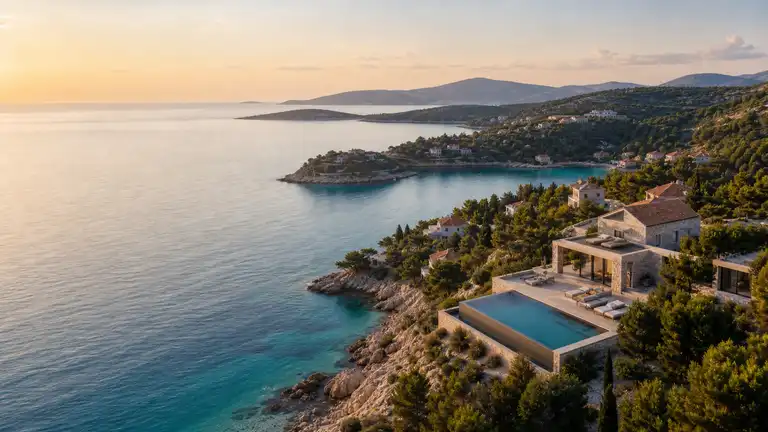
What Structurally Drives Real Estate Price Growth on the Islands
Regardless of which island one focuses on, there is a common mechanism supporting price growth: limited supply facing growing demand. Construction on the Adriatic islands is regulated by strict spatial plans that prevent new construction in most coastal areas, meaning the total number of available properties on all islands is structurally limited.
On the other hand, demand is geographically expanding — buyers are coming from an increasing number of markets.
In addition to traditionally active Germans, Austrians, and Britons, recent years have seen strong growth in interest from Scandinavian countries, Benelux, Czechia, and Poland.
Each new market also brings slightly higher price pressure, as buyers compare Adriatic prices with those in Sardinia, Ibiza, or the French Riviera — a comparison that regularly positions Croatia as a value-for-money alternative.
What a Buyer Considering an Island Property Needs to Know
Purchasing a property on an Adriatic island comes with specific considerations that a buyer must take into account. Besides the standard due diligence steps applicable to any property in Croatia — checking land registries, spatial plans, and existing encumbrances — on the islands, it is particularly important to verify access rights, the condition of infrastructural connections, and the status of any agricultural land use.
The logistics of daily life — ferry connections, healthcare infrastructure, schooling — become relevant for buyers considering longer stays or permanent residency. Buyers planning to rent out properties should be aware of seasonality: although islands like Hvar are seeing an extended season due to gastronomic and cultural offerings, the core rental income remains concentrated in the summer months. All these specificities advocate for cooperation with an agency that has real experience with the island market and knows the local regulatory frameworks.
FAQ
Which Adriatic island destination records the highest real estate prices?
Hvar consistently records the highest real estate prices on the Adriatic islands. For quality villas with pools and sea views, prices start from 1.5 million euros, while exceptional properties exceed 5 million euros. The price per square meter for residential properties in attractive locations ranges between 4,000 and 8,000 euros.
Is it profitable to invest in properties on lesser-known islands like Vis or Šolta?
Vis and Šolta offer lower entry prices compared to established destinations, making them attractive for buyers with a long-term perspective. Limited development and growing recognition are structural factors supporting value growth — however, short-term rental yields here are lower than on Hvar or Brač due to less developed tourist infrastructure.
Can foreigners buy property on the Adriatic islands?
European Union citizens can purchase real estate in Croatia under the same conditions as Croatian citizens. Citizens of non-EU countries are subject to the reciprocity principle, which is met with most European countries. Specific conditions depend on the buyer's citizenship, and it is advisable to consult a legal expert familiar with Croatian real estate law.
How does seasonality affect rental yields on the islands?
The tourist season on the Adriatic islands typically lasts from June to September, peaking in July and August. Hvar and Lošinj record a slightly longer season due to their gastronomic and wellness offerings, which attract guests in spring and early autumn. Buyers planning to rent out properties should expect the primary bulk of income to be generated in three to four summer months.
Recommended
- Where to Buy a Rental Property in Croatia: A Guide to Locations, Yields, and Costs for 2026
- Seaside Investment Property: A Complete Guide for Buyers and Investors in Croatia
- The Future of Housing: 5 Key Trends in New Builds in Croatia for 2026