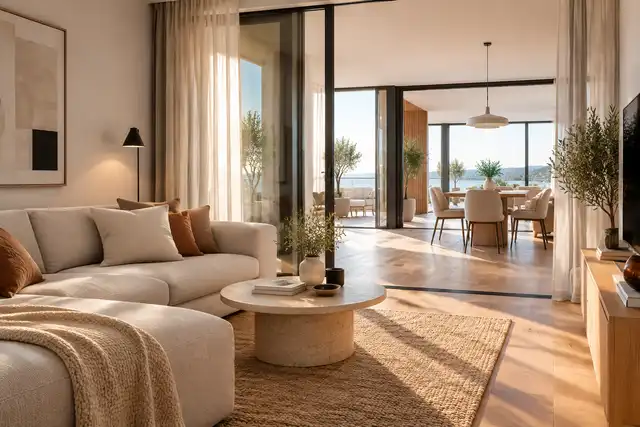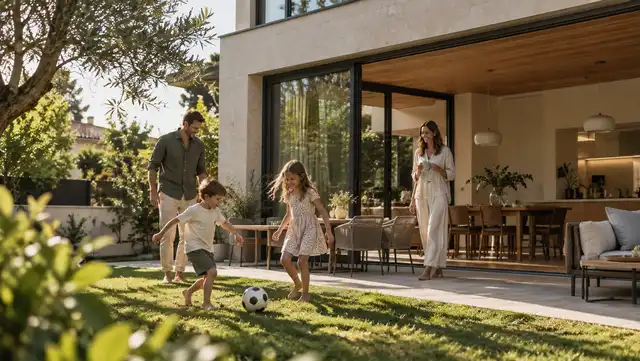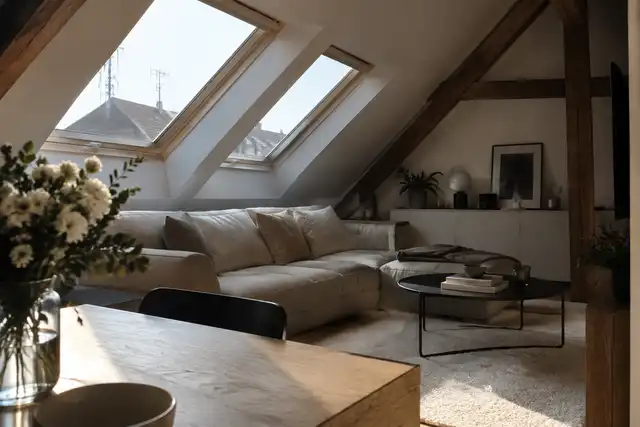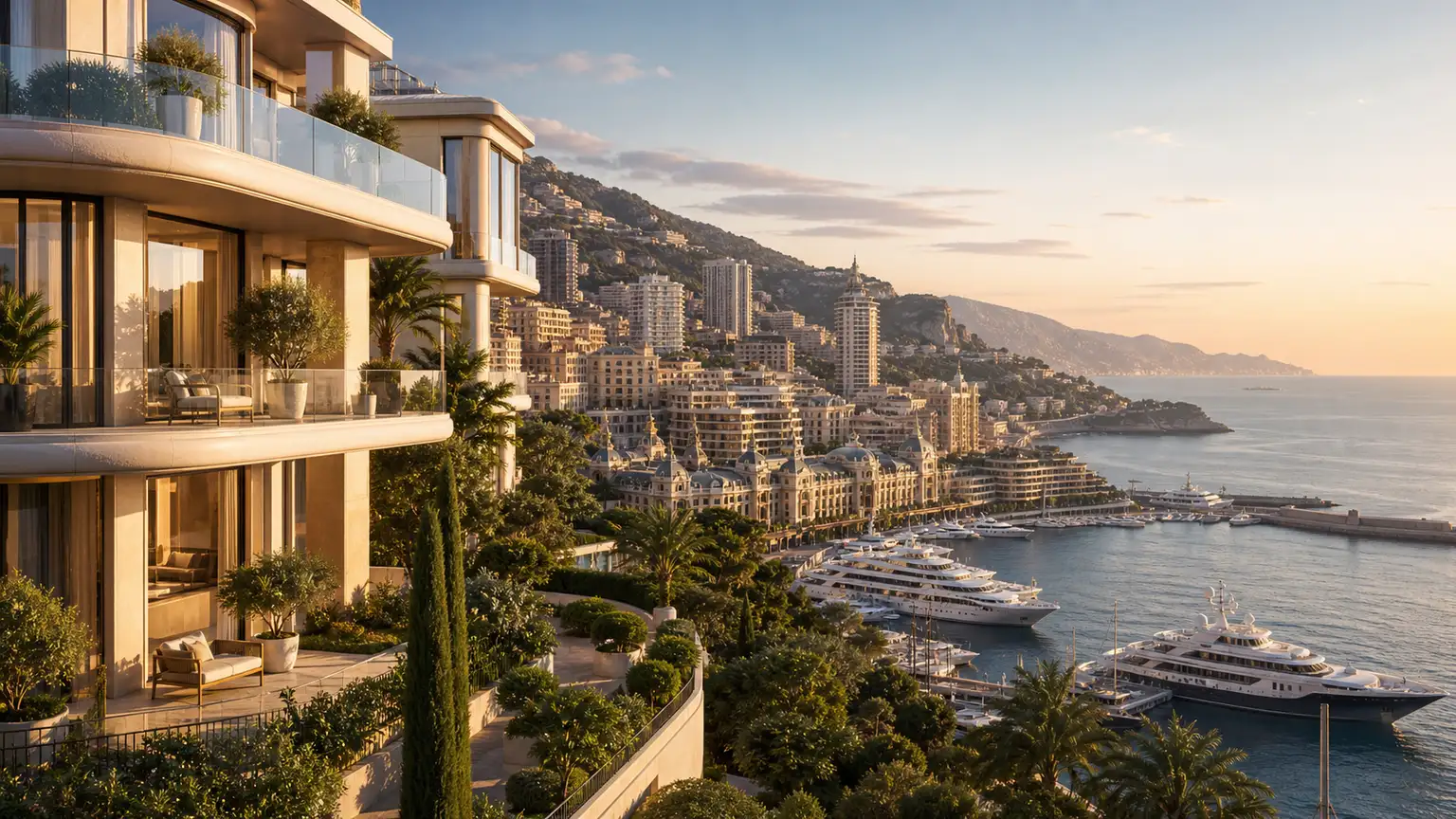
The global luxury real estate market is not homogeneous — regulations, buyer profiles, architectural traditions, and economic contexts differ. However, successful projects in Dubai, Miami, Monaco, and Lisbon share several common patterns that transcend local market specificities. These patterns not only speak to what wealthy buyers purchase — they speak to why they buy, what the project promises them beyond four walls, and how luxury as a category has transformed in the last twenty years. To understand where the luxury segment is heading in Croatia, looking at these markets is not imitation — but a useful reference point.
TL;DR
The world's most successful luxury projects sell a concept and identity, not just square footage and location.
Branded residences — residential projects tied to luxury brands — are becoming the dominant model of luxury development, commanding a premium of 20 to 40 percent over unbranded projects.
Dubai builds with speed and ambition, Miami combines lifestyle and architecture, Monaco monetizes scarcity, and Lisbon sells authenticity.
Croatia has all the prerequisites for positioning itself in this segment — natural resources, cultural capital, and growing international visibility — but the difference is still in the level of concept and accompanying amenities.
What actually defines a world-class luxury project
Price per square meter is a measure of results, not the cause of success. Projects that achieve top prices and shortest sales periods have one common element: a clear and convincing answer to the question of why here and why this project — an answer that cannot be copied by moving to another location or duplicating floor plans.
This answer is built by a combination of unique location, architectural identity, a palette of accompanying amenities and — increasingly — branded partnerships with luxury houses from the fashion industry, automotive sector, or hospitality. The result is a project that the buyer perceives not as real estate, but as access to a certain lifestyle that is unavailable elsewhere.
Dubai — speed, scale, and the rise of branded residences
In less than two decades, Dubai has built one of the densest concentrations of luxury residential projects in the world — and in doing so, defined a model that markets from Bangkok to Belgrade are now replicating. The key insight Dubai offers is not architecture itself, but the branded residential model.
Projects like Armani Residences in Burj Khalifa, Bulgari Residences on Jumeirah Island, and Cavalli Tower have shown that a partnership with a luxury fashion house or hotel brand is capable of generating a premium of 20 to 40 percent over comparable unbranded projects in the same location. The buyer is not buying an apartment — they are buying Armani interior design, Bulgari hotel amenities, and the exclusivity of a community only accessible through that project.
The Dubai model shows that a branded residence is not a marketing trick, but a structural change in what luxury means.
Miami — where lifestyle becomes architecture
Miami has gone a step further than interior branding — here the brand is integrated into the architectural conception itself. The Porsche Design Tower in Sunny Isles offers a system where a car enters directly into its apartment via a car elevator — which is not a gimmick, but a direct communication with the buyer profile that defined the project from day one.
Aston Martin Residences in downtown Miami refer to car design with their facade geometry and interior color, while Bentley Residences go a step further by introducing "dezago" — a private direct pool in every apartment.
The Miami model reveals an important pattern: the most successful luxury projects identify the buyer profile with great precision and build the entire project as an architectural expression of that profile's identity.
The result is projects that polarize — but precisely because of this clarity, they generate strong demand and short sales periods.
Monaco — scarcity as the ultimate luxury
Monaco is a unique market phenomenon: with less than two square kilometers of territory and prices reaching 50,000 to 100,000 euros per square meter, the principality proves that scarcity itself is the most powerful luxury proposition. The Mareterra project — a new district created by land reclamation, with approximately 40,000 square meters of residential and commercial space — sold apartments even before excavation began, at prices that had no analogy even in Monaco until then.
The lesson of Monaco is not that one should reclaim land from the sea — but that the uniqueness of a location, combined with extremely limited supply, can be a sufficient argument in itself. For Mediterranean markets with a limited coastal strip and strict spatial plans — including the Adriatic islands — this is a relevant pattern.
Lisbon — authenticity and cultural capital as a luxury proposition
From 2015 to 2023, Lisbon underwent a transformation that never looked like Dubai or Miami — and that was precisely the reason for its success among a certain profile of international buyers. Instead of new towers and branded residences, Lisbon offered renovated palaces in Chiado, azulejo-decorated facades in Alfama, and lofts in converted industrial spaces in Alcântara.
Prices in the most attractive parts of the city reached 8,000 to 12,000 euros per square meter — levels that were unimaginable in this market a decade ago. Buyers who chose Lisbon were not looking for Dubai's luxury; they sought authenticity, cultural identity, and a European city that had not yet lost its soul to a uniform hotel experience. Lisbon showed that luxury can also be built on heritage, not just new construction.
Common denominators — what connects all successful projects
Regardless of the differences between Dubai, Miami, Monaco, and Lisbon, successful projects share several structural patterns:
- Clear value proposition — each project has a clear answer to why here and why this one, which is not limited to square footage and location
- Strong architectural identity — the project is recognizable both as a visual object and as a living concept, regardless of branded partnership
- Curated package of amenities — private pools, concierge services, wellness, gastronomic facilities — amenities that justify the premium and create a community around the project
- Precisely defined buyer profile — the project does not target "wealthy buyers" generically, but a specific lifestyle and value system that one type of buyer has and another does not
What Croatia can learn
Croatia has all the prerequisites relevant to the luxury segment: exceptional natural resources, Mediterranean authenticity, a growing international profile, and an increasing number of buyers who have already experienced Miami or Dubai and are looking for something different.
The difference at this moment is not so much in locations — as in the level of concept and accompanying amenities.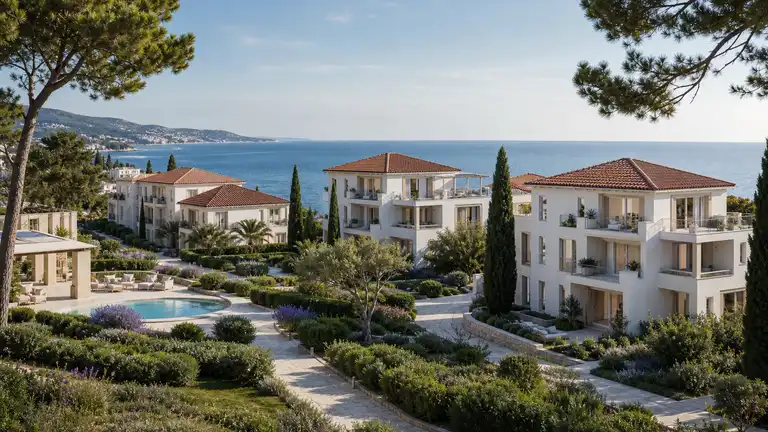
Projects like Mövenpick Hotel & Residences in Kvarner or luxury new constructions in Split and Dubrovnik are signals that this gap is beginning to close.
The branded residences model that Dubai standardized is slowly coming to the Adriatic — and buyers who are exploring Adriatic locations today are increasingly bringing comparative points from global markets.
This is not pressure — it is a signal that the market has matured.
FAQ
What are branded residences and why do they achieve a higher price?
Branded residences are residential projects developed in partnership with a luxury brand — a hotel chain, fashion brand, or car manufacturer. The premium over comparable unbranded projects in the same location averages 20 to 40 percent and is justified by a combination of design, management, community exclusivity, and long-term brand recognition that supports the property's value upon resale.
Which of the mentioned models (Dubai, Miami, Monaco, Lisbon) is most relevant for the Croatian market?
The Lisbon model of authenticity and cultural capital is closest to Croatia's positional potential — especially for projects in the historic centers of Split, Trogir, Korčula, or Dubrovnik. The branded residences model (Dubai/Miami) is relevant for new coastal projects with a hotel component. Monaco's model of scarcity and unique location is relevant for island properties with limited supply.
Are there already examples of luxury projects in Croatia that follow these patterns?
Yes — Mövenpick Hotel & Residences in Kvarner is one of the first explicit branded residences projects in Croatia, combining hotel infrastructure with residential units. In Split and Dubrovnik, there is a growing number of projects targeting international buyers with higher purchasing power, but the level of conceptual development and accompanying amenities still lags behind established Mediterranean markets.
What factors determine the price of luxury real estate globally?
The price of luxury real estate in the global market is determined by a combination of several factors:
- uniqueness of location and limited supply in that location
- level and exclusivity of accompanying amenities (privacy, service, amenities)
- recognizability of the architectural concept and any branded partnership
- market liquidity — ease of resale in the future
- fiscal and regulatory framework of the destination (tax treatment, residency programs)
Regent monitors global luxury market trends and applies this knowledge in advising clients entering the premium segment of the Adriatic and urban real estate market.
If you are considering buying or developing a luxury property in Croatia, feel free to contact us.
We recommend
Mövenpick Kvarner Bay: luxury residences that combine home comfort and hotel prestige
Green Tower Hotel & Residence Umag – Regent's exclusive project combining living and the luxury of hotel life
Investment projects in Regent's portfolio: where the most attractive opportunities in the real estate market are created today
The future of housing: 5 key trends in new construction in Croatia for 2026